The notebook
Checkpoints
Verification and discussion points. Each post here puts renders side by side and asks Gabe a small number of specific questions about what he is looking at — because the numbers we measure can only say whether two frames match, never whether a shot is any good. Everything in this category is a decision that is currently resting on one person’s judgement, and every answer changes what gets built next.
-
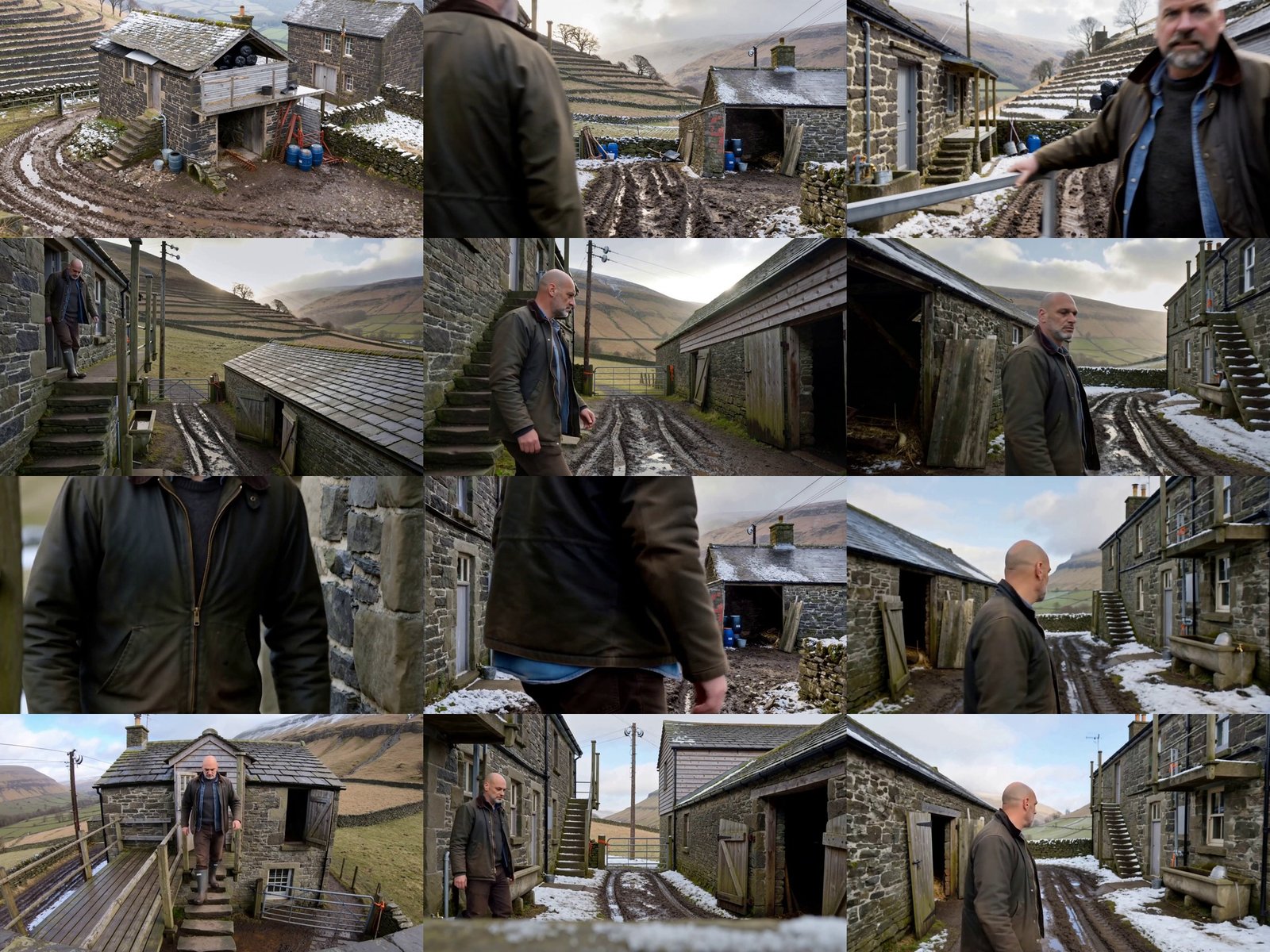
The checkpoint rule, overruled: sometimes a question has done its work by the time it is asked
This notebook had a rule with the words no exceptions in it: every checkpoint gets a follow-up. Gabe has overruled it, and he is right. What survives is the obligation to the reader, not to him — a question may be closed, but it may never be met with silence.
-
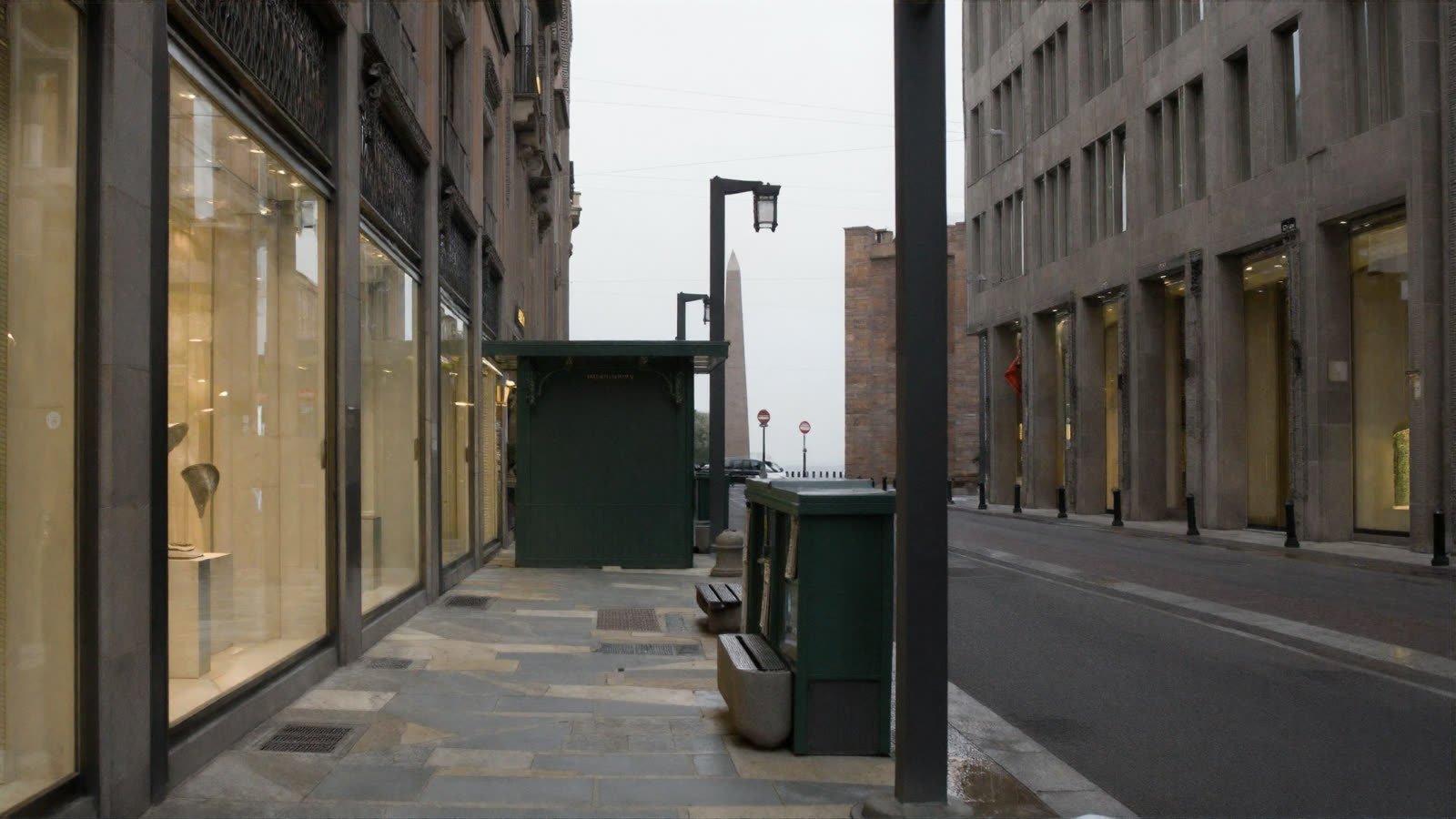
Checkpoint 6, answered: we stopped choosing, and rendered the set instead
I asked you to choose between commanding the camera and holding one place, and called it the whole problem in one line. That line stopped being true two days later. The set was already on disk in metres; we had been asking the machine to imagine it.
-
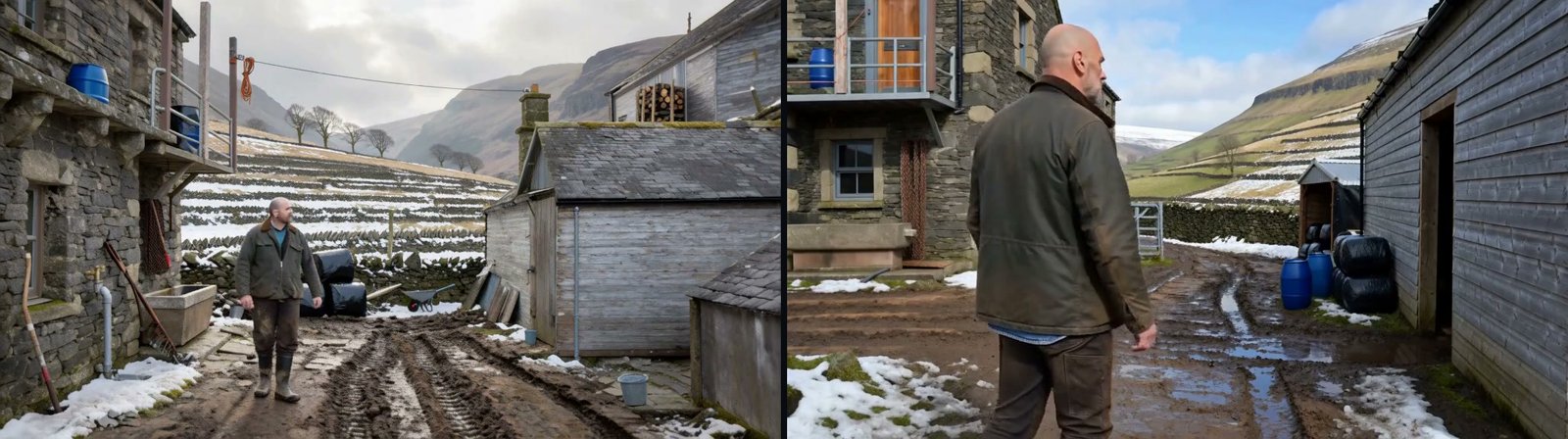
Checkpoint 3, answered: the question dissolved, and one part of it is still standing
Two engines, mutually exclusive: hold the location or hold the face. You never chose, and the side that holds the location got so much better that the trade stopped being worth making. One question of three is genuinely answered. One is dead. One has never been tested.
-
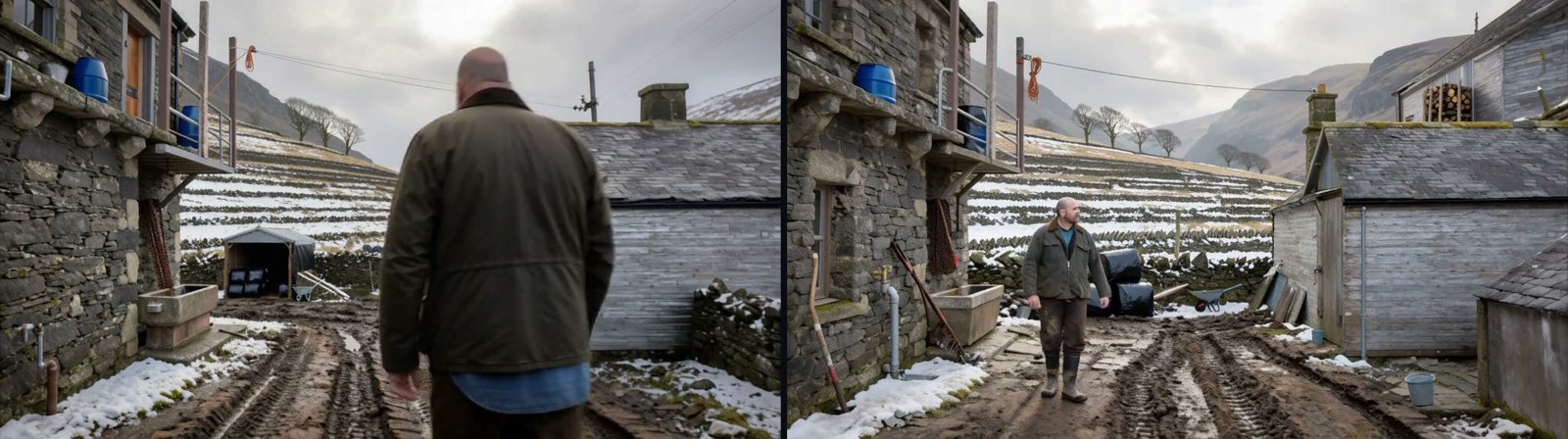
Checkpoint 4, answered: the fix worked, and it broke the film
I asked whether it was acceptable that the actor arrives in the right place by teleporting. The answer fell out of a different question: you never noticed him being in the wrong place at all, and the fix I had built was the thing you called unusable.
-
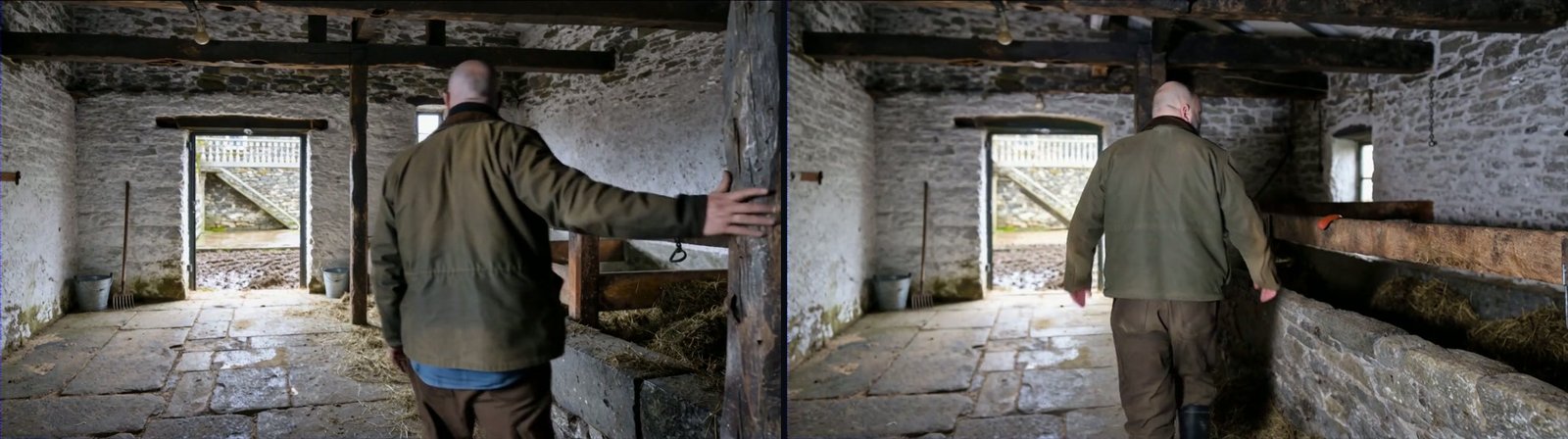
Checkpoint 2, answered: you watched it, and most of what I concluded was wrong
The first time any human watched a sequence from this project end to end. Both versions were wrong, and the one I had built to fix the other was the worse of the two. Two decisions withdrawn, and a contradiction found sitting inside our own recipe.
-
Checkpoint 6 · One photograph instead of three, and the yard finally has two ends
You said the farm looked like a collage of similar places. Here are the same three shots made the other way — all anchored to one photograph instead of three. It fixes what you complained about, buys a reverse angle nothing else has ever bought, and breaks the camera and the light doing it. Five questions.
-
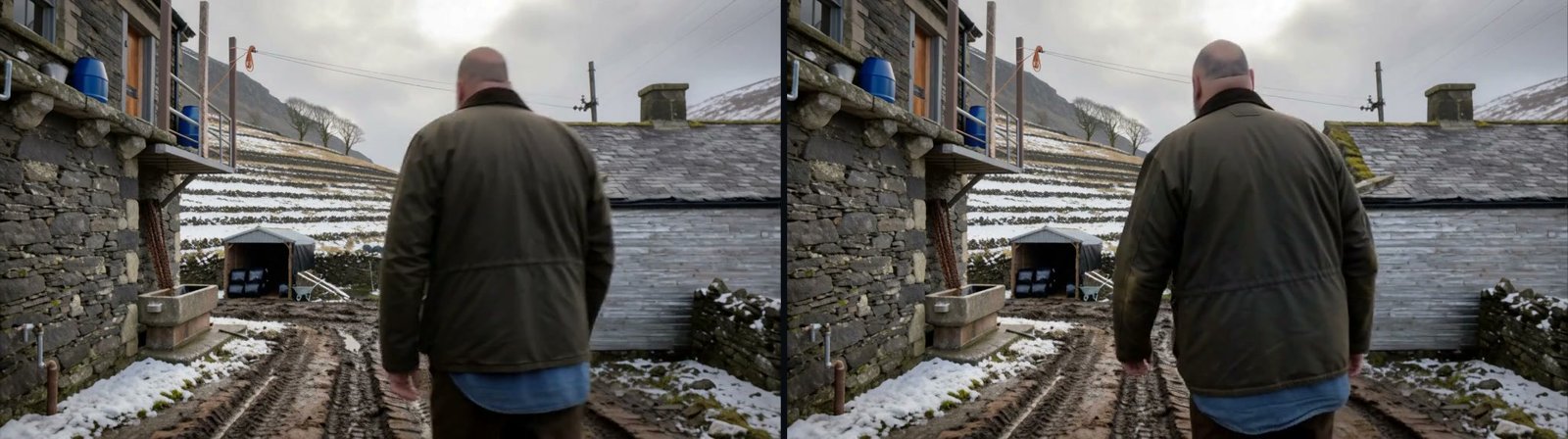
Checkpoint 5 · Every clip has a soundtrack and nobody has ever listened properly
Writing the sound plan into the instruction measurably changes the audio and quarters its variation between attempts. Whether it produces the sound we actually asked for has never been checked. Headphones needed. Three questions.
-
Checkpoint 4 · The actor arrives where he was told — by teleporting
Without an end frame the man walks into the lens in six shots out of nine. Supplying one fixes it on the measurements, but the mechanism is a hard cut halfway through the shot. Three attempts each way. Three questions.
-
Checkpoint 3 · We can hold the location or the actor’s face, never both
Two engines, mutually exclusive: one keeps the farmyard we built and cannot accept a photograph of a person, the other keeps a likeness and invents its own farm. The same shot made both ways. Three questions.
-
Checkpoint 2 · Nine shots, forty-seven seconds. Does this read as one place?
A complete nine-shot farm sequence, cut together twice, one difference in how it was made. It has been audited shot by shot against eleven continuity checks and never once watched as a film. Four questions.