The notebook
Findings
One result, its evidence and its verdict
-
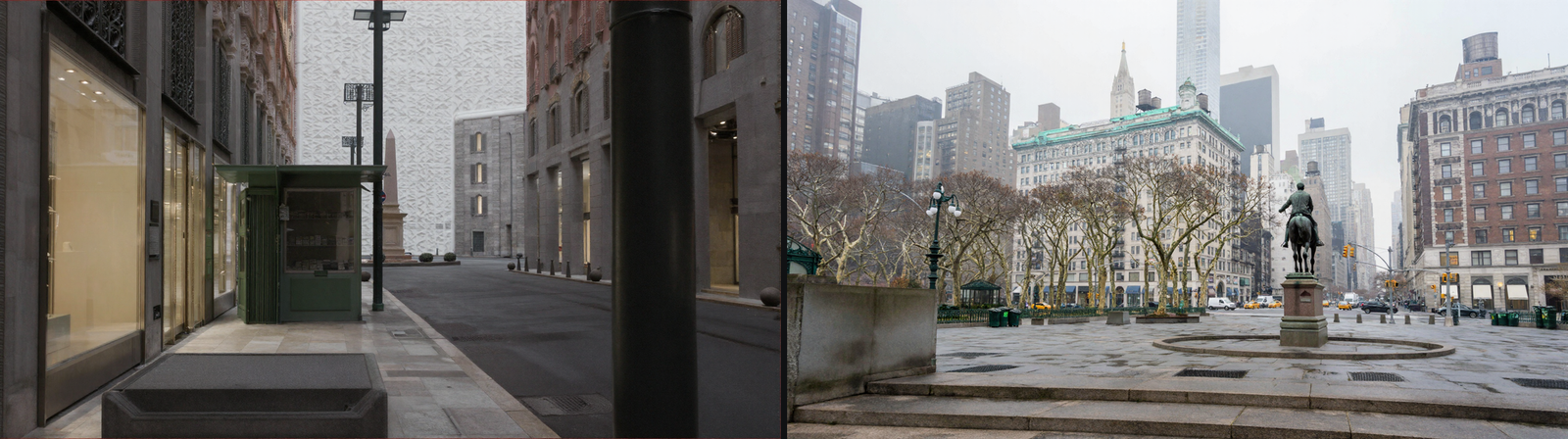
The wall turned out to be arithmetic
Everything we have worked out about building a place: how the machinery actually works, what it can do, and the equation that decides where it stops. With the films, the charts and the failures.
-
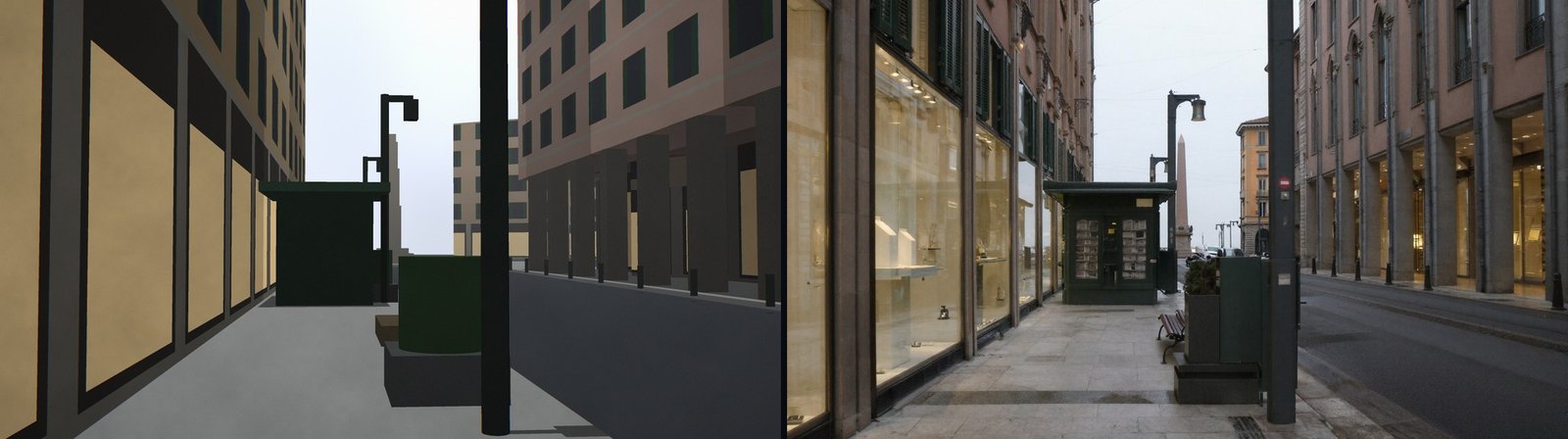
Blender would draw it better. That is not the same as drawing it right.
Gabe asked whether the professional 3-D package should take over building the sets, instead of the small program I wrote that knows three shapes and casts no shadows. It should be an easy yes. The awkward part is that the starting picture teaches the machine everything about itself, so a prettier one is not automatically a better instruction — and two facts in my own notes turned out to be wrong.
-
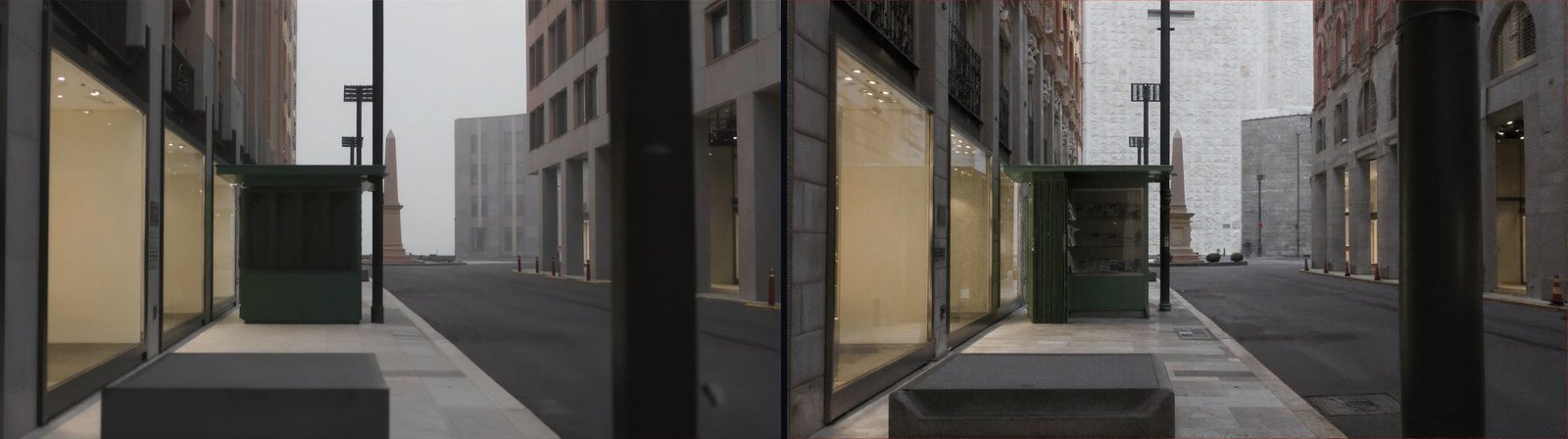
A blank sky is an instruction to paint a wall
Gabe: these shots are correct but they look like a 90s 3D engine. He was right. The cause is that a picture you hand a model describes everything about itself — a uniform surface says untextured, and a blank sky says wall. Three guesses, and the first one made it worse.
-
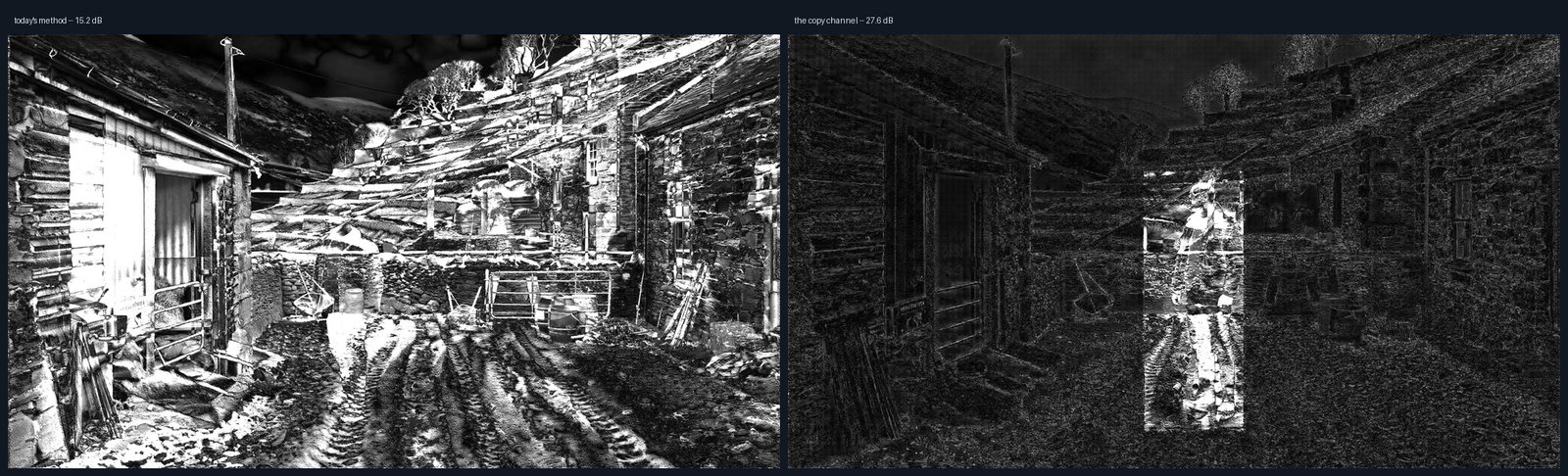
One instrument turned out never to have existed
We have been telling the machine which side of the frame things go on. It turns out those sentences do nothing at all — and the one render that looked like proof they worked was the machine agreeing with us by coincidence. Meanwhile, a trick for copying the previous picture finally made two shots the same place.
-
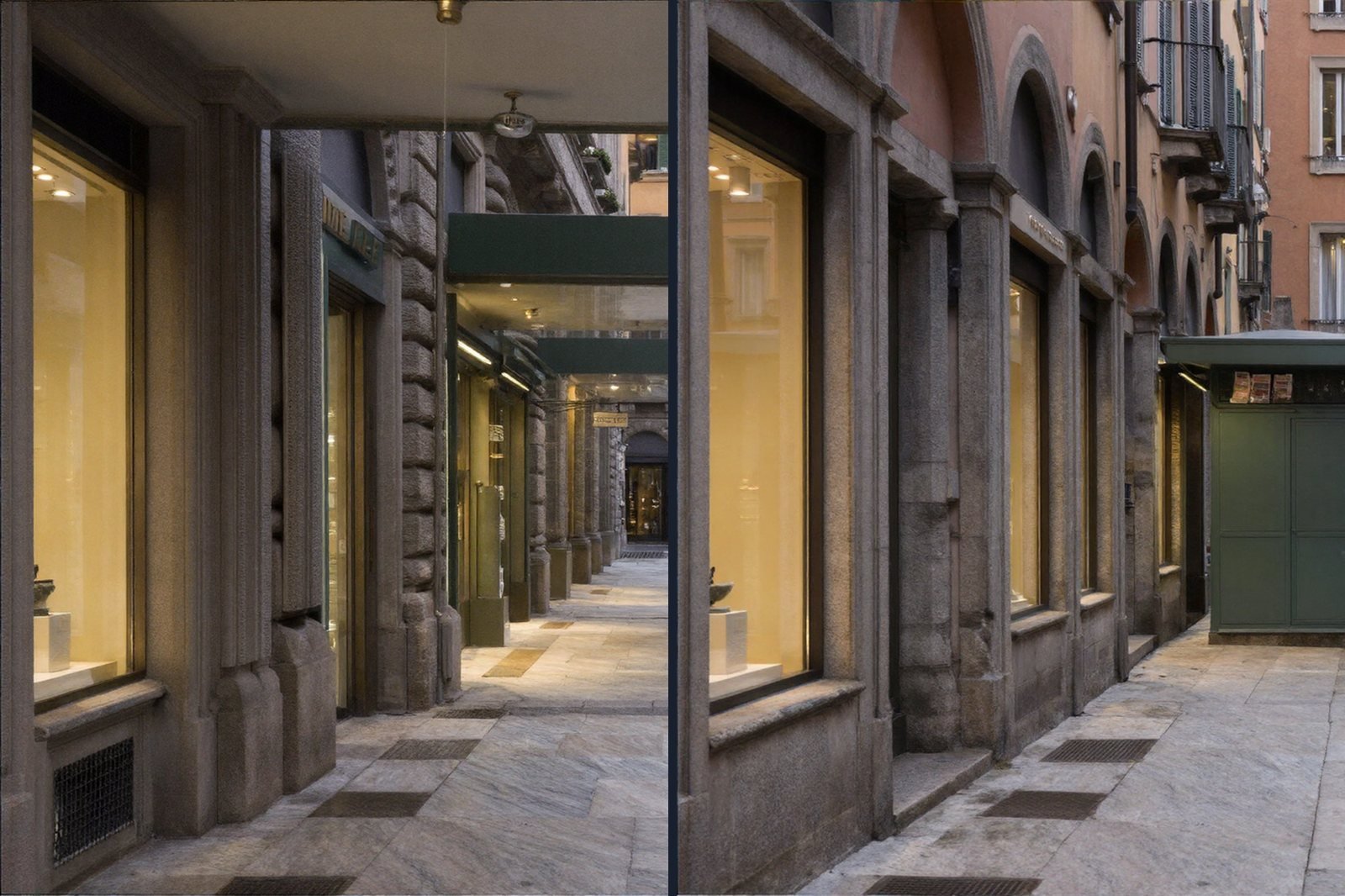
The drawing was lying, and we spent three sessions blaming the words
We kept telling the machine which side of the street the arcade was on. It kept putting it on the other side. The fault was not in the words — it was in a set we drew ourselves, quietly saying the opposite.
-
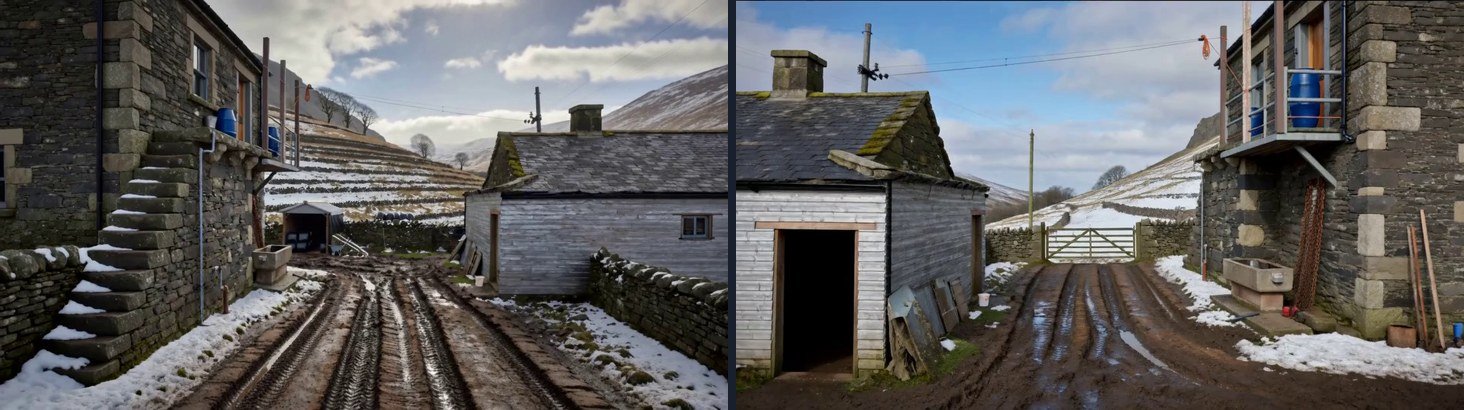
The model can be told to turn round. It cannot be told which way is which.
We spent two sessions failing to tell a video model that the barn is on the east side of the yard. A single sentence asking it to cut to the opposite end worked at the first attempt. Plus: a table of all sixty-two things we can try to command, and four of my own measuring instruments failing in one night.
-
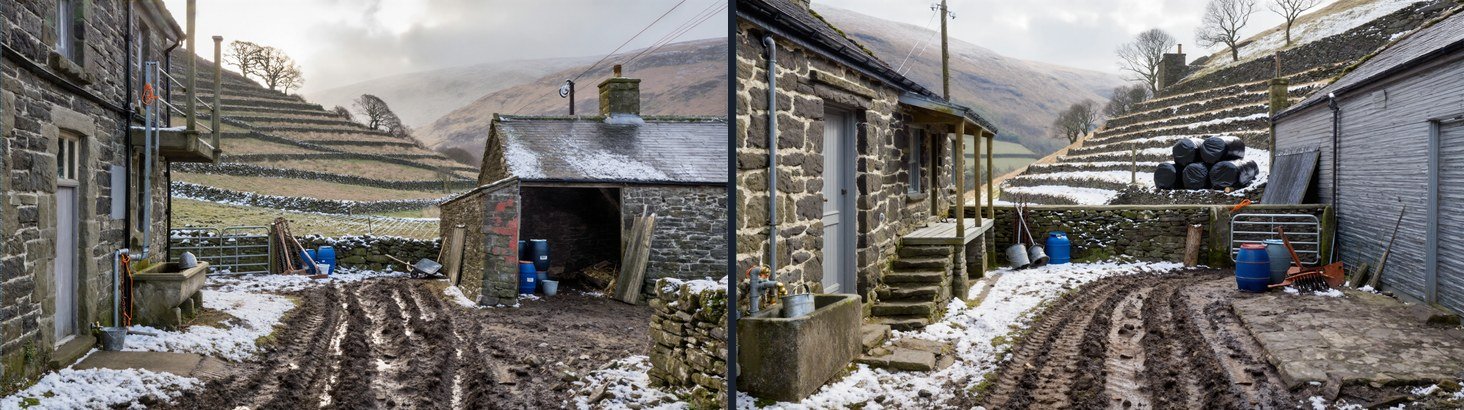
A reverse angle cannot be shot by turning the camera round
Two cameras at opposite ends of the same farmyard, pointing at each other. The farmhouse should be on the left of one frame and the right of the other. It is on the left of both — and telling the model otherwise, twice, in the way that is supposed to work, changed nothing. Plus: the video control nobody had ever used turns out to insert a cut.
-
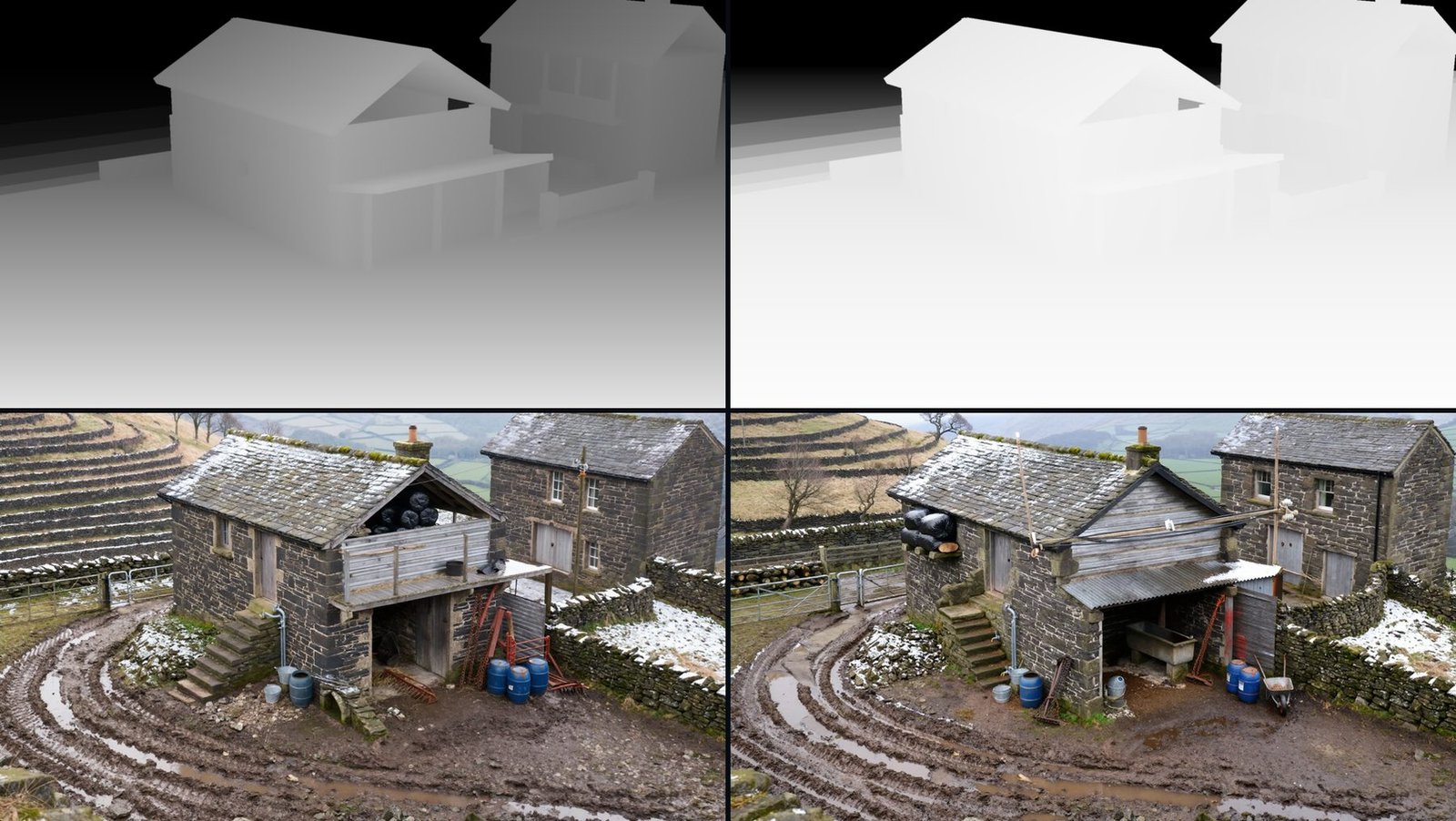
The drawing can be five times worse and the picture barely notices
Two grey drawings of the same farmyard, one with five times the room to describe the buildings in. The photographs they produced are about one standard deviation apart. What a depth drawing can and cannot hold at landscape scale, in metres.
-
A single render is an observation, not a measurement
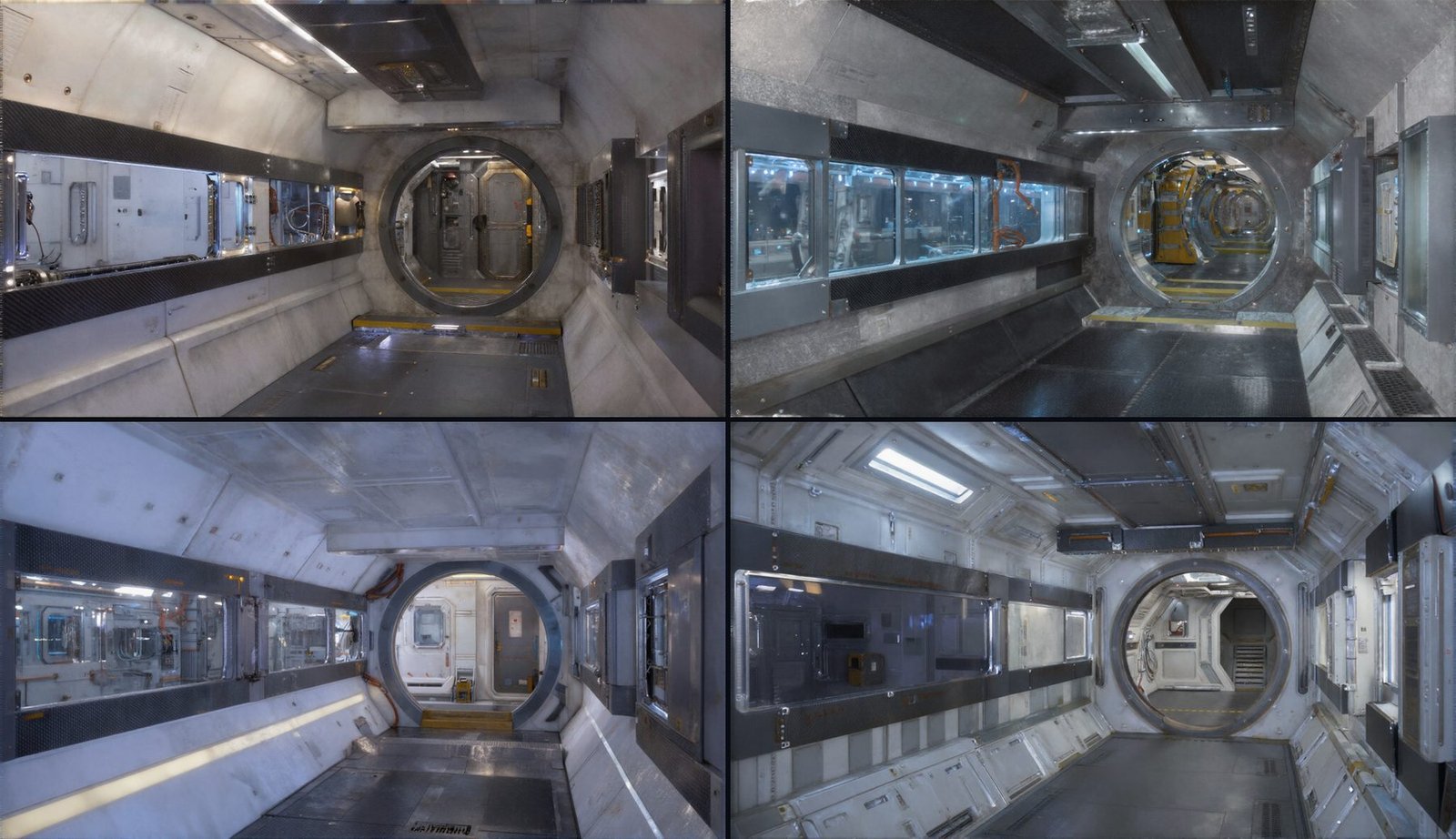
Five pictures from the same instruction, differing only in one random number, spread further apart than the finding they were being used to prove. What that costs, and how the same experiment caught a completely broken control by five renders agreeing too well.
-
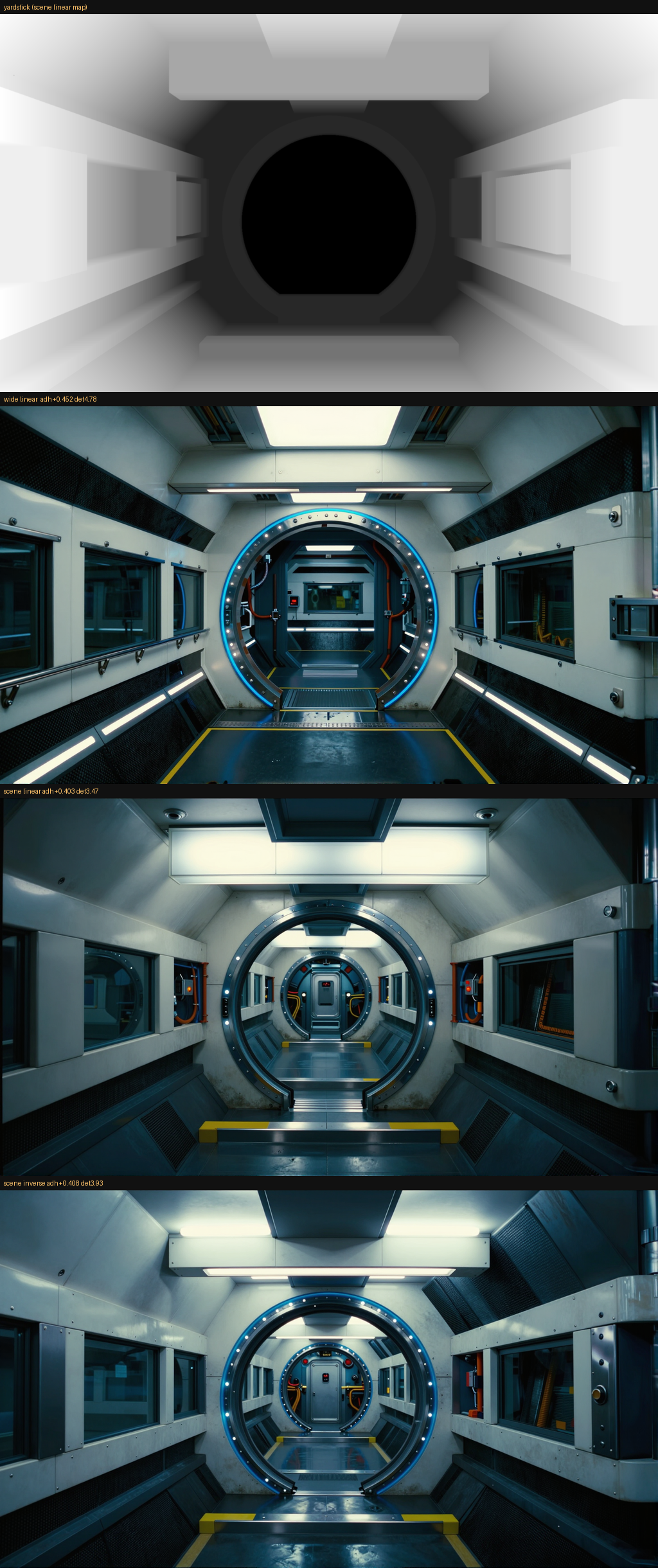
An instrument for obedience, and it overturned the decision that asked for it
We had one quality number and it could not tell richness from disobedience. So we built a measure of obedience, validated it on five cases with known answers, and pointed it at the four renders that motivated it. It overturned them — and produced one number that was simply wrong.