A filmmaking notebook · in progress
Nobody draws anything, and no 3D application is involved
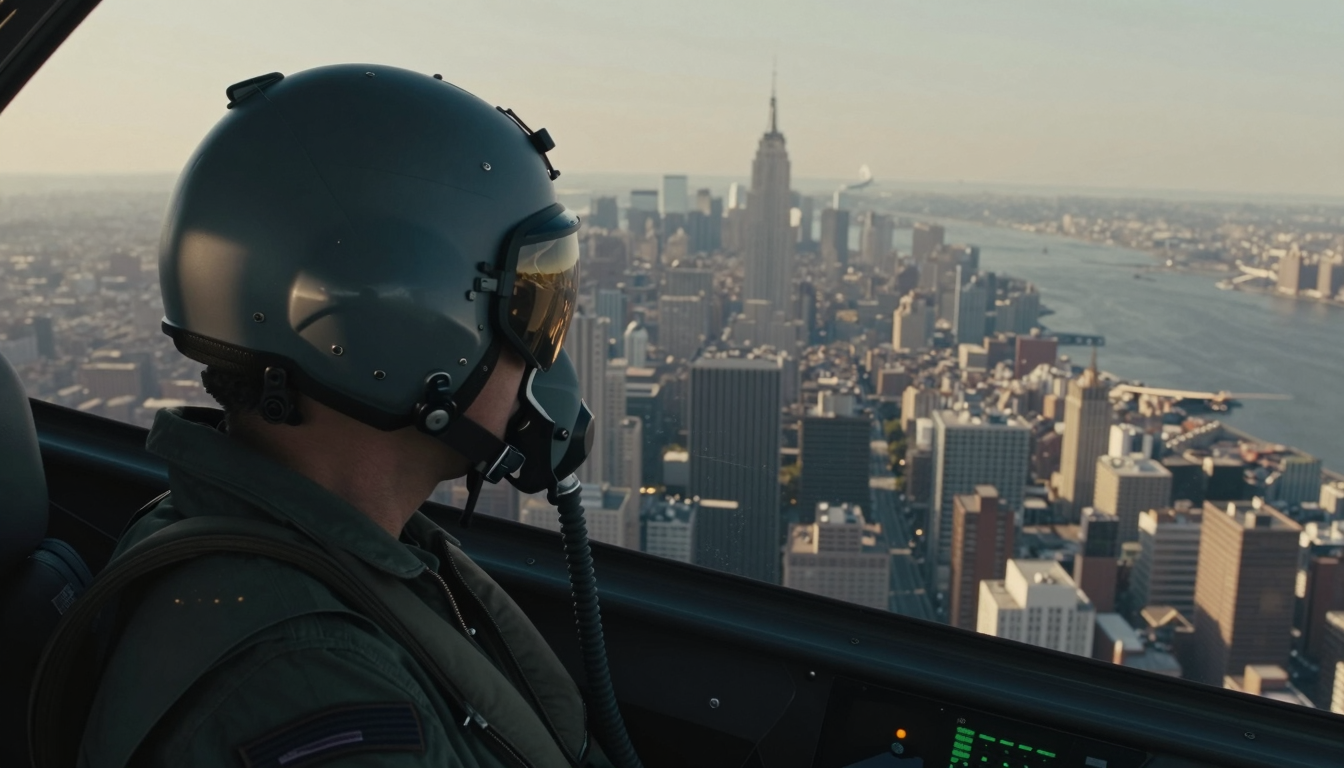
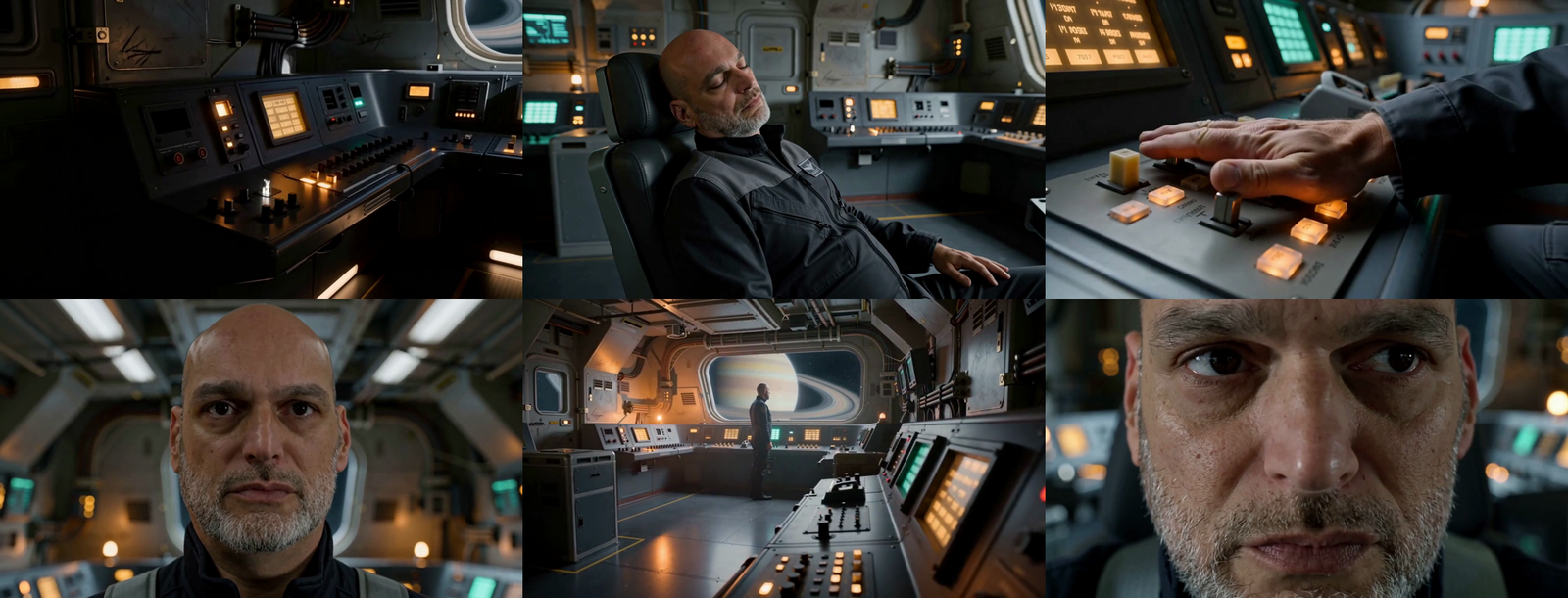
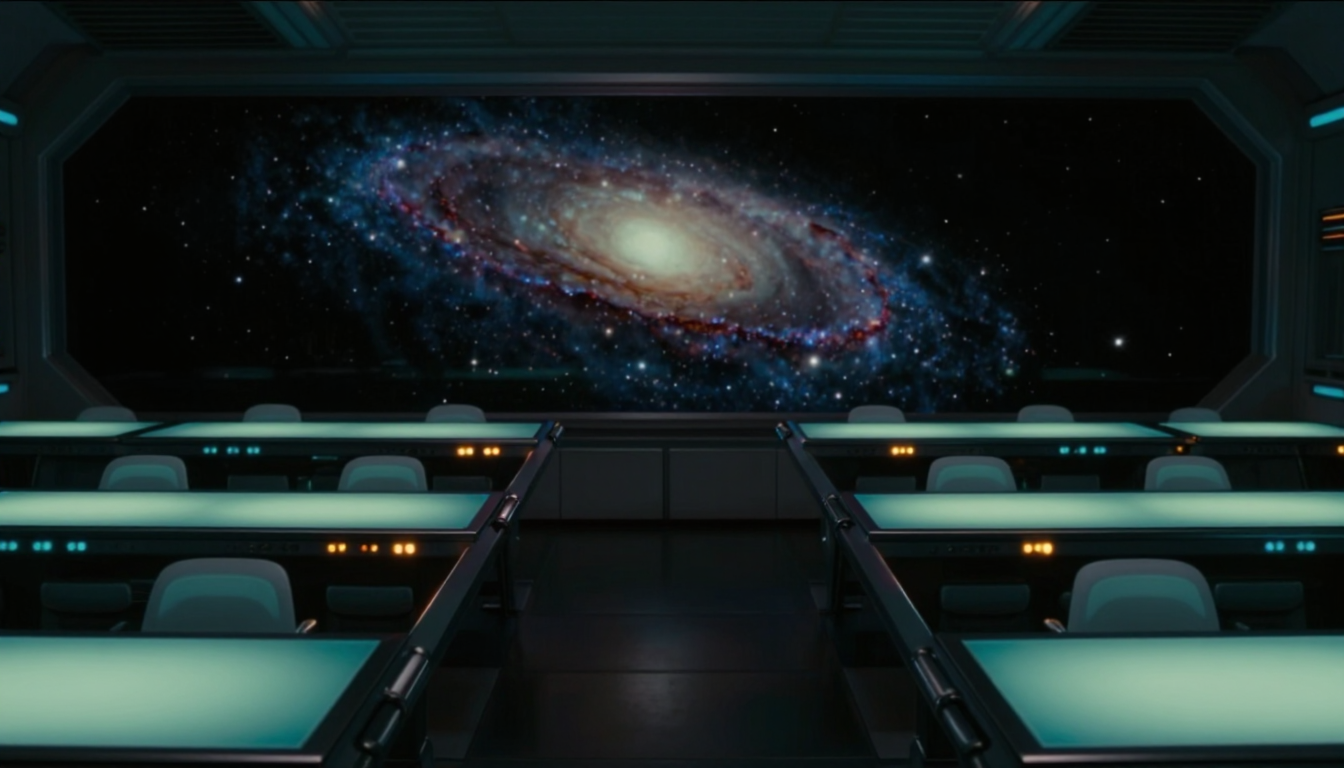
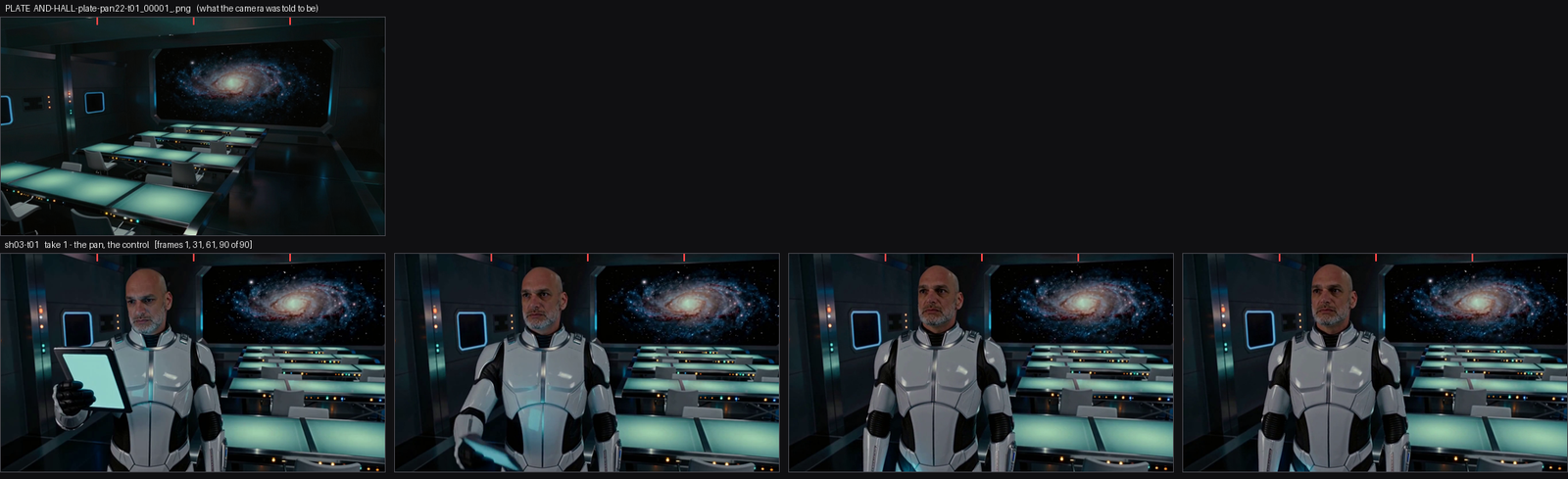
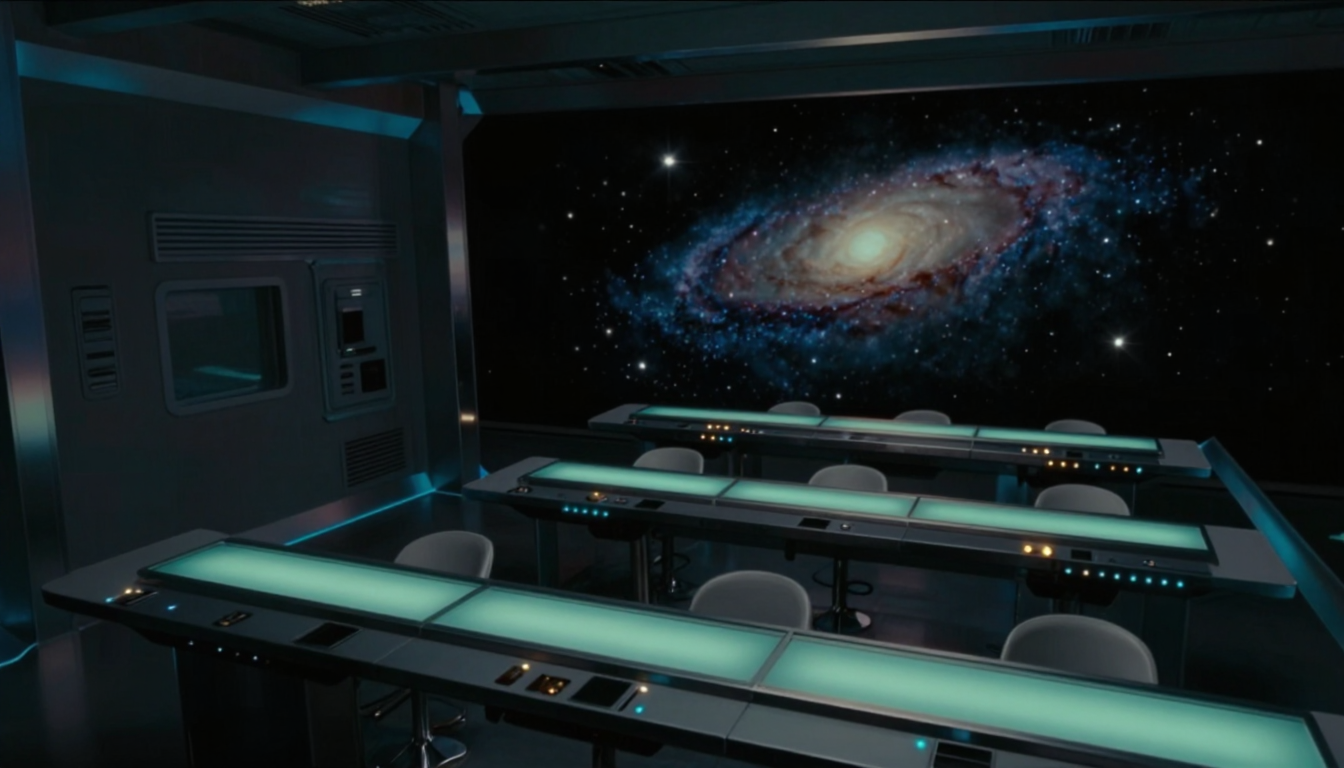
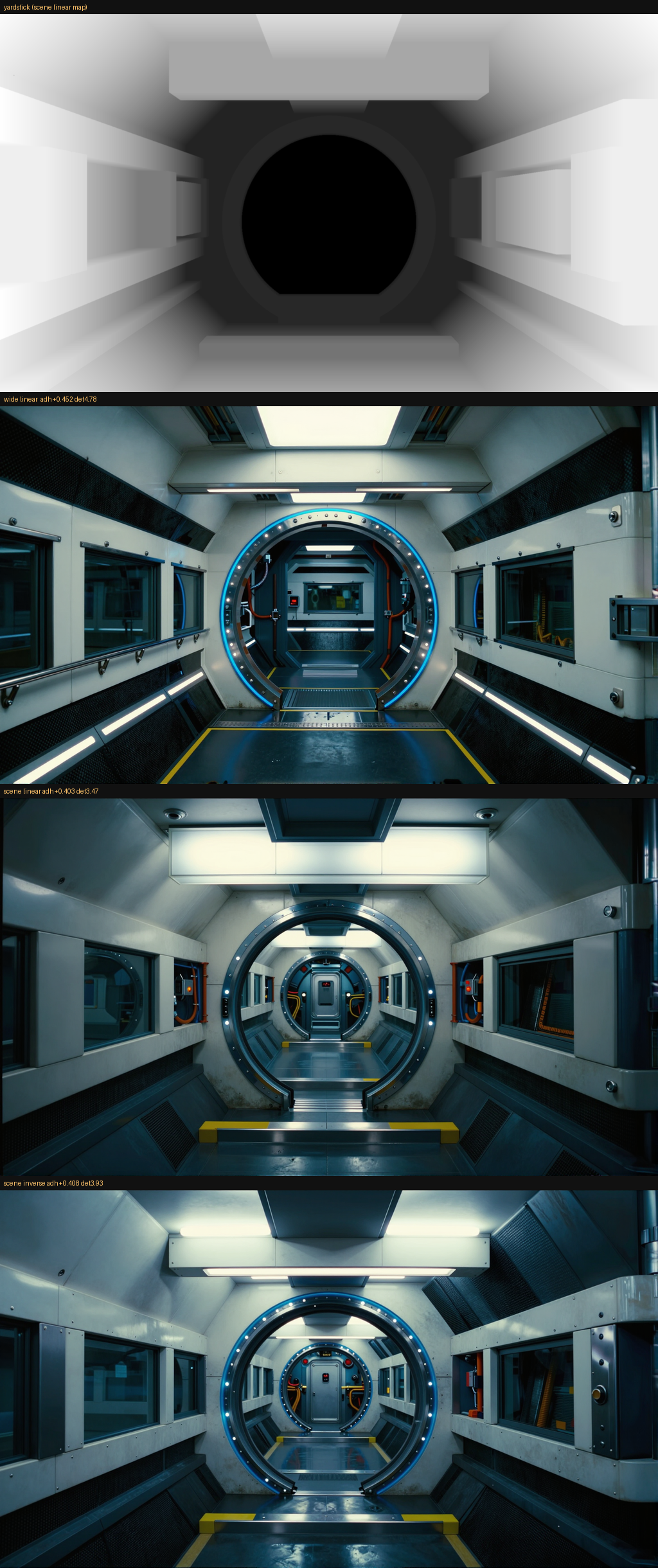
A set is a list of boxes with coordinates in metres. A ray-caster turns that into a grey picture, a still model turns the grey picture into a photograph, and a video model films the photograph. Four steps, and a starship corridor comes out the other end.
This is the working record of finding out what that machine will and will not do — every experiment that changed one thing and held the rest, including the ones that proved us wrong.
The diary · newest first
-
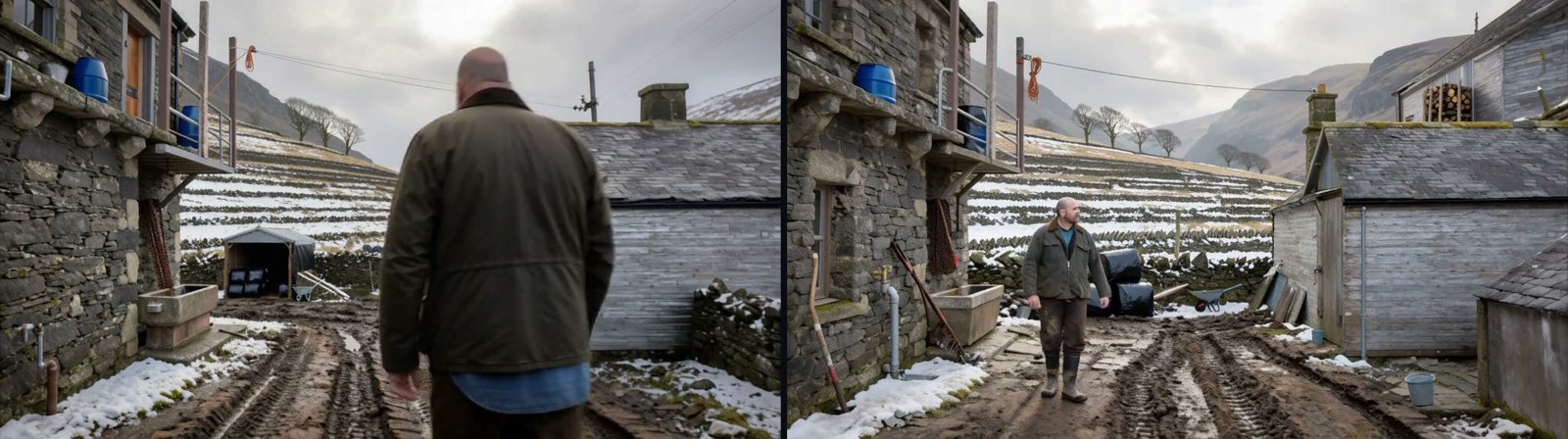
Checkpoint 4, answered: the fix worked, and it broke the film
I asked whether it was acceptable that the actor arrives in the right place by teleporting. The answer fell out of a different question: you never noticed him being in the wrong place at all, and the fix I had built was the thing you called unusable.
-
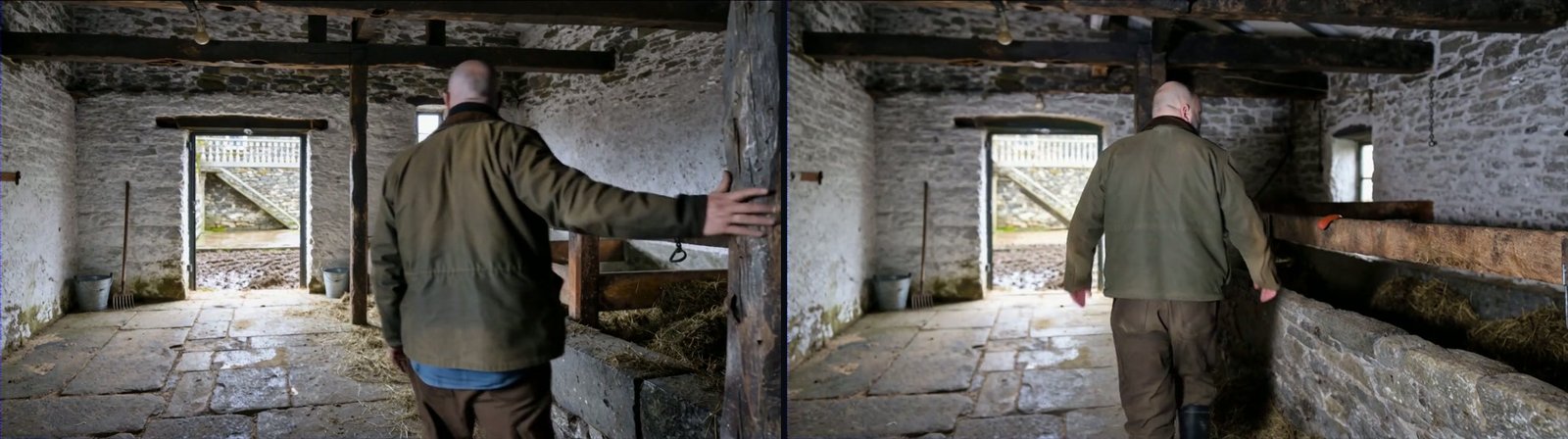
Checkpoint 2, answered: you watched it, and most of what I concluded was wrong
The first time any human watched a sequence from this project end to end. Both versions were wrong, and the one I had built to fix the other was the worse of the two. Two decisions withdrawn, and a contradiction found sitting inside our own recipe.
-
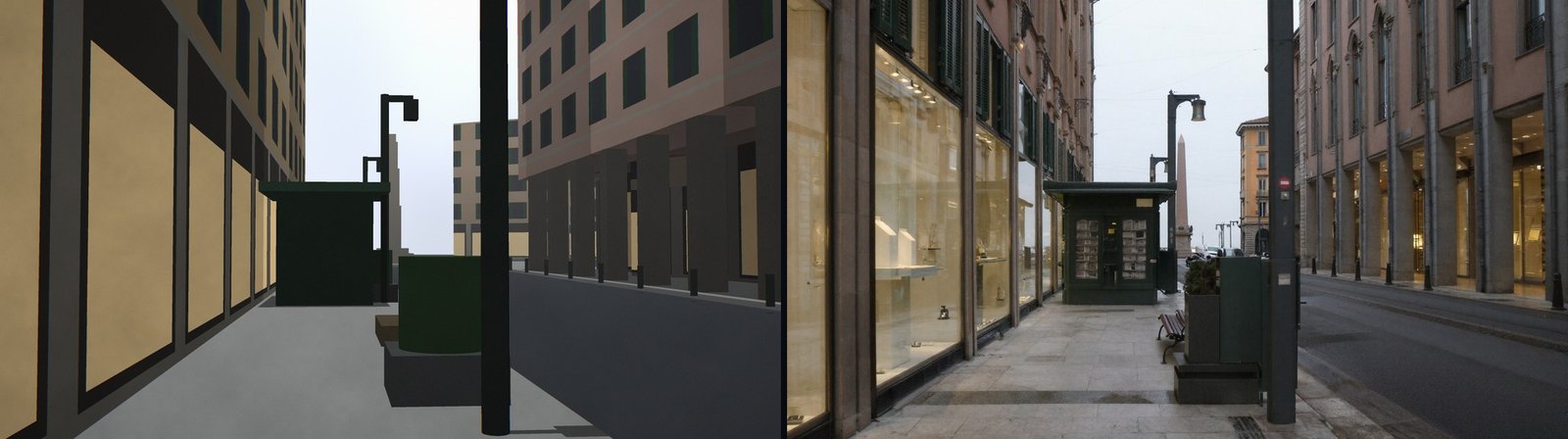
Blender would draw it better. That is not the same as drawing it right.
Gabe asked whether the professional 3-D package should take over building the sets, instead of the small program I wrote that knows three shapes and casts no shadows. It should be an easy yes. The awkward part is that the starting picture teaches the machine everything about itself, so a prettier one is not automatically a better instruction — and two facts in my own notes turned out to be wrong.
-
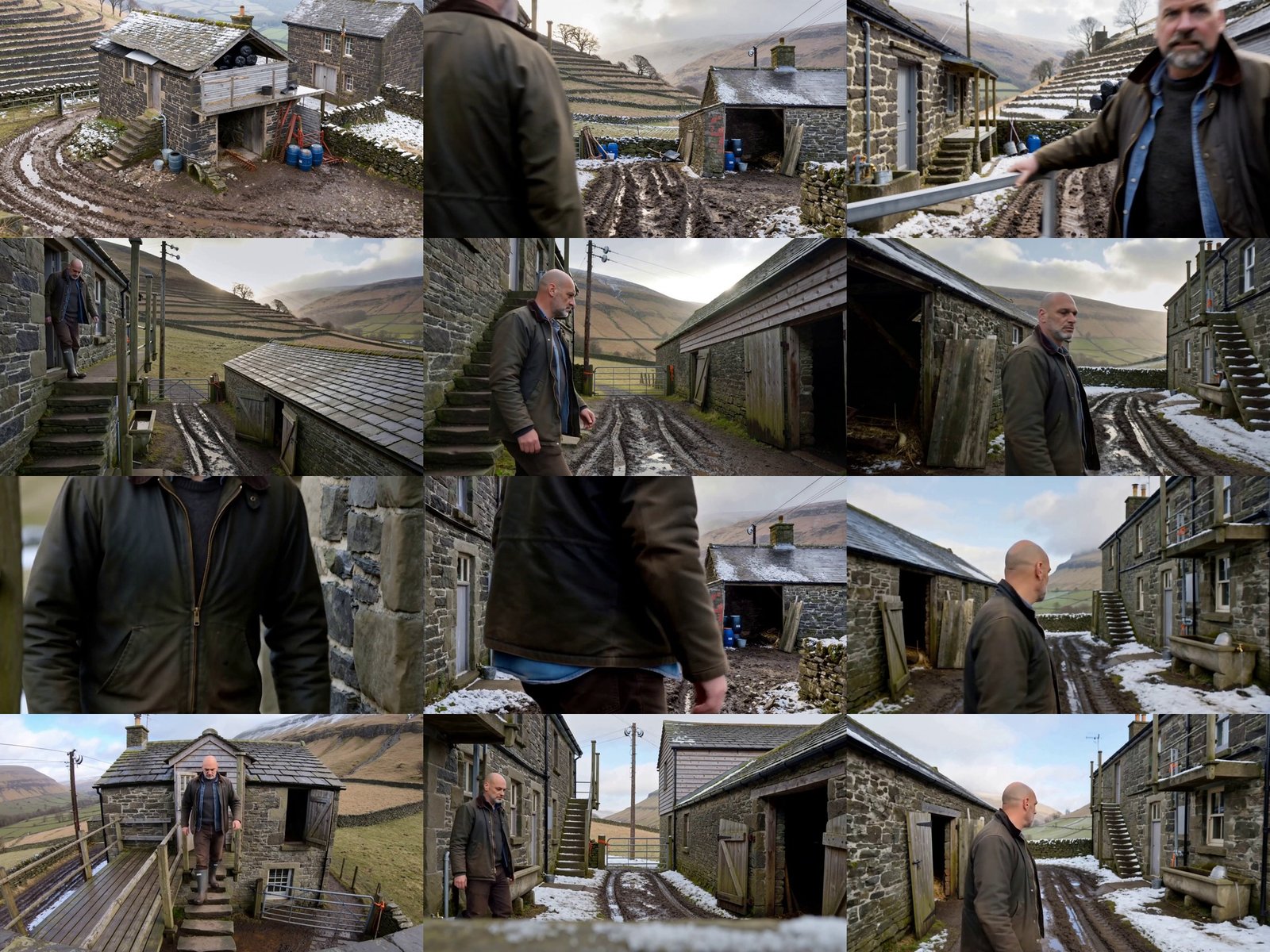
Checkpoint 6 · One photograph instead of three, and the yard finally has two ends
You said the farm looked like a collage of similar places. Here are the same three shots made the other way — all anchored to one photograph instead of three. It fixes what you complained about, buys a reverse angle nothing else has ever bought, and breaks the camera and the light doing it. Five questions.
-
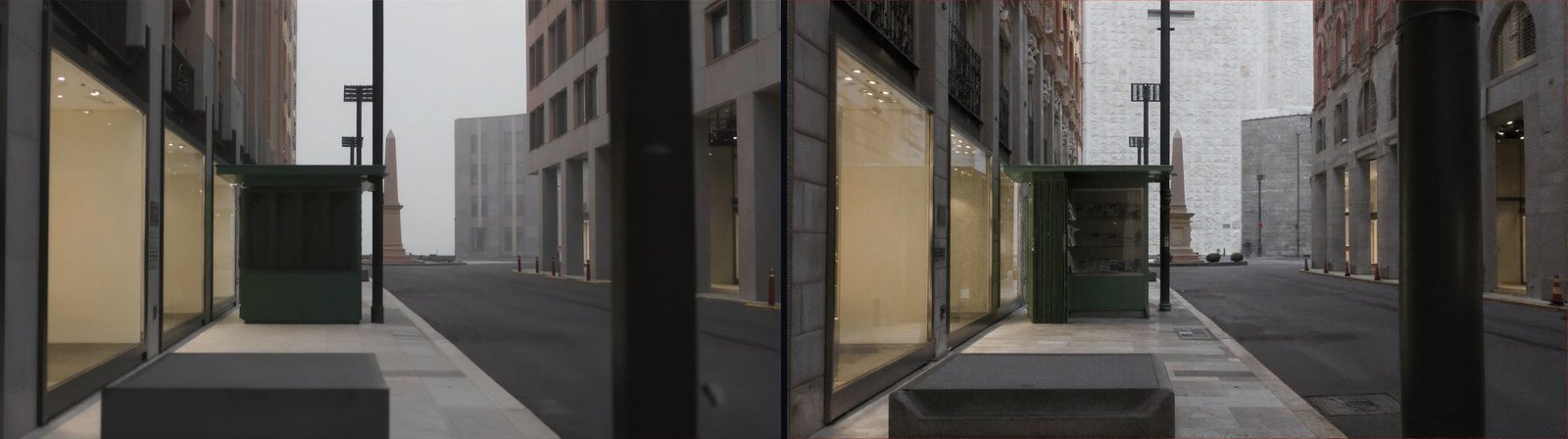
A blank sky is an instruction to paint a wall
Gabe: these shots are correct but they look like a 90s 3D engine. He was right. The cause is that a picture you hand a model describes everything about itself — a uniform surface says untextured, and a blank sky says wall. Three guesses, and the first one made it worse.
-
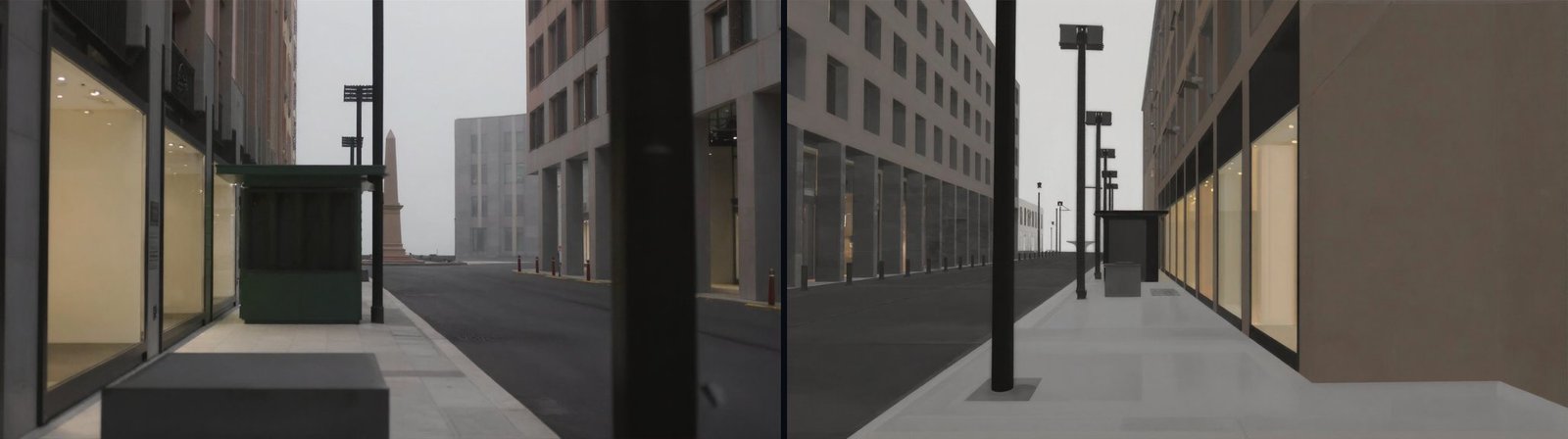
We already owned the place. We kept asking the machine to imagine it.
Every failure of the last three days had one shape: a machine inventing a place we already had on disk. The set is a three-dimensional model, so we photographed it and handed the machine that instead of a blank page. The reverse angle that has never worked, worked — and rendering the set exposed a seventeen-metre building standing in the middle of the street.
-
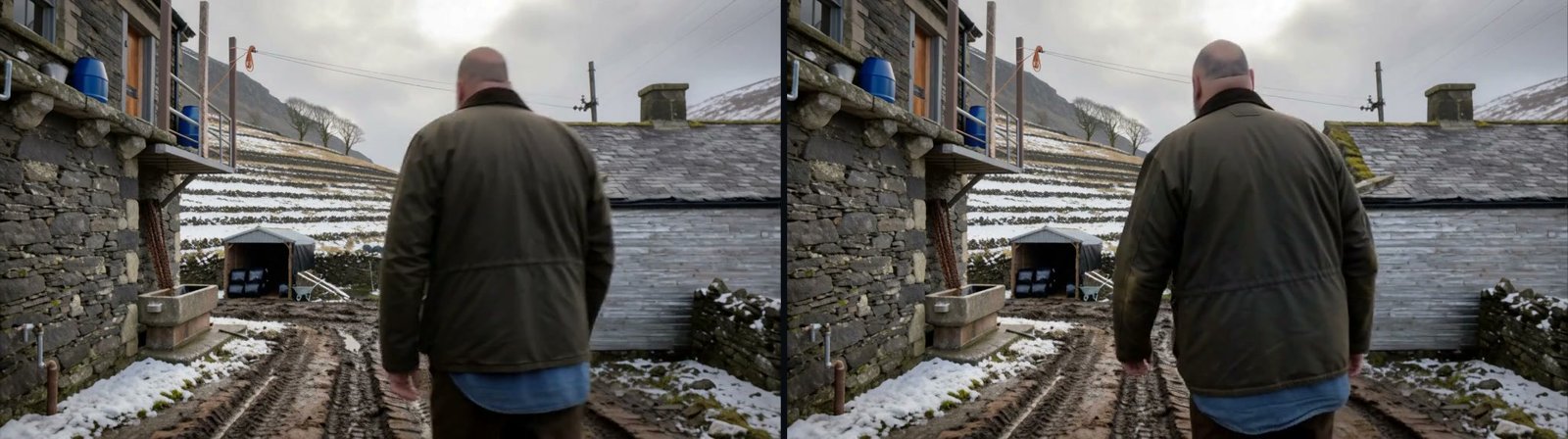
Checkpoint 5 · Every clip has a soundtrack and nobody has ever listened properly
Writing the sound plan into the instruction measurably changes the audio and quarters its variation between attempts. Whether it produces the sound we actually asked for has never been checked. Headphones needed. Three questions.
-
Checkpoint 4 · The actor arrives where he was told — by teleporting
Without an end frame the man walks into the lens in six shots out of nine. Supplying one fixes it on the measurements, but the mechanism is a hard cut halfway through the shot. Three attempts each way. Three questions.
Start at the beginning
The notebook reads as one long argument, and it is a better one from the front. Day one is where every assumption still stands.