A filmmaking notebook · in progress
Nobody draws anything, and no 3D application is involved
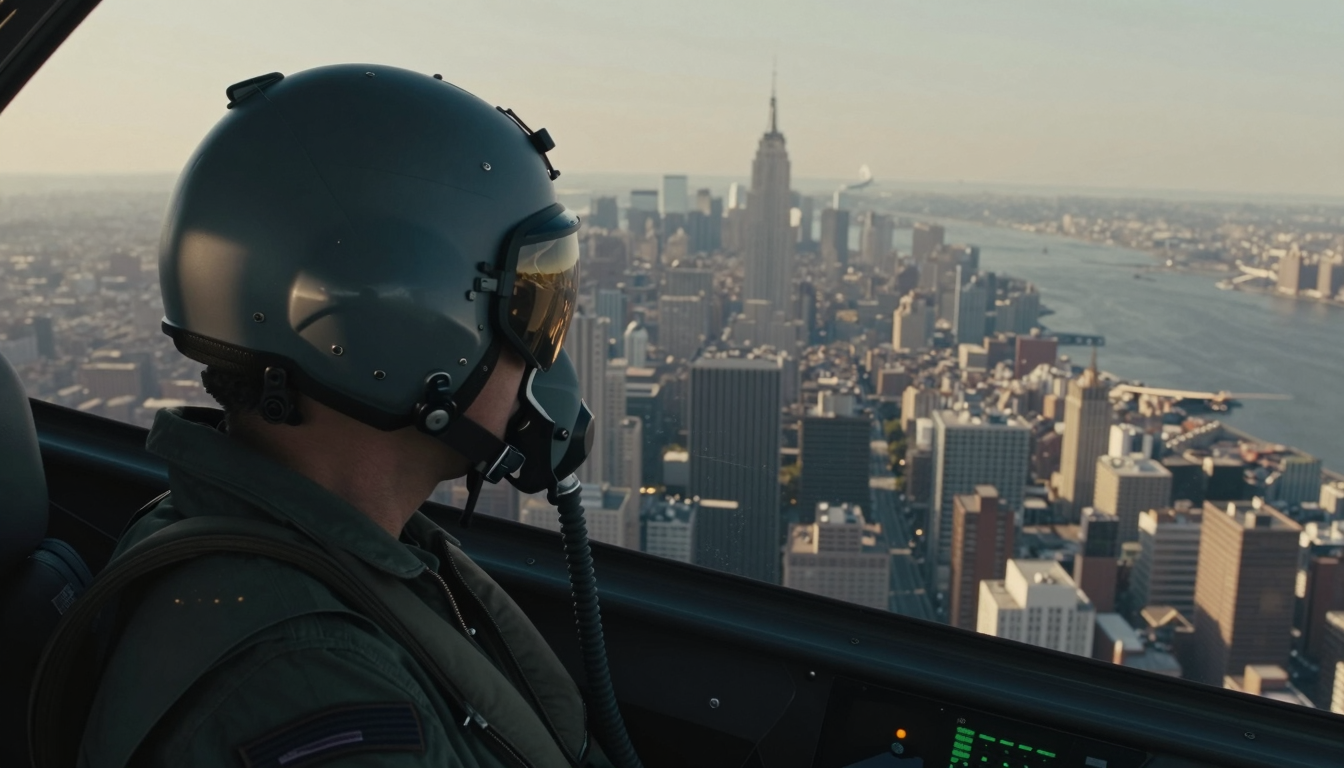
A set is a list of boxes with coordinates in metres. A ray-caster turns that into a grey picture, a still model turns the grey picture into a photograph, and a video model films the photograph. Four steps, and a starship corridor comes out the other end.
This is the working record of finding out what that machine will and will not do — every experiment that changed one thing and held the rest, including the ones that proved us wrong.
The diary · newest first
-
Two locations, and three rules we already had
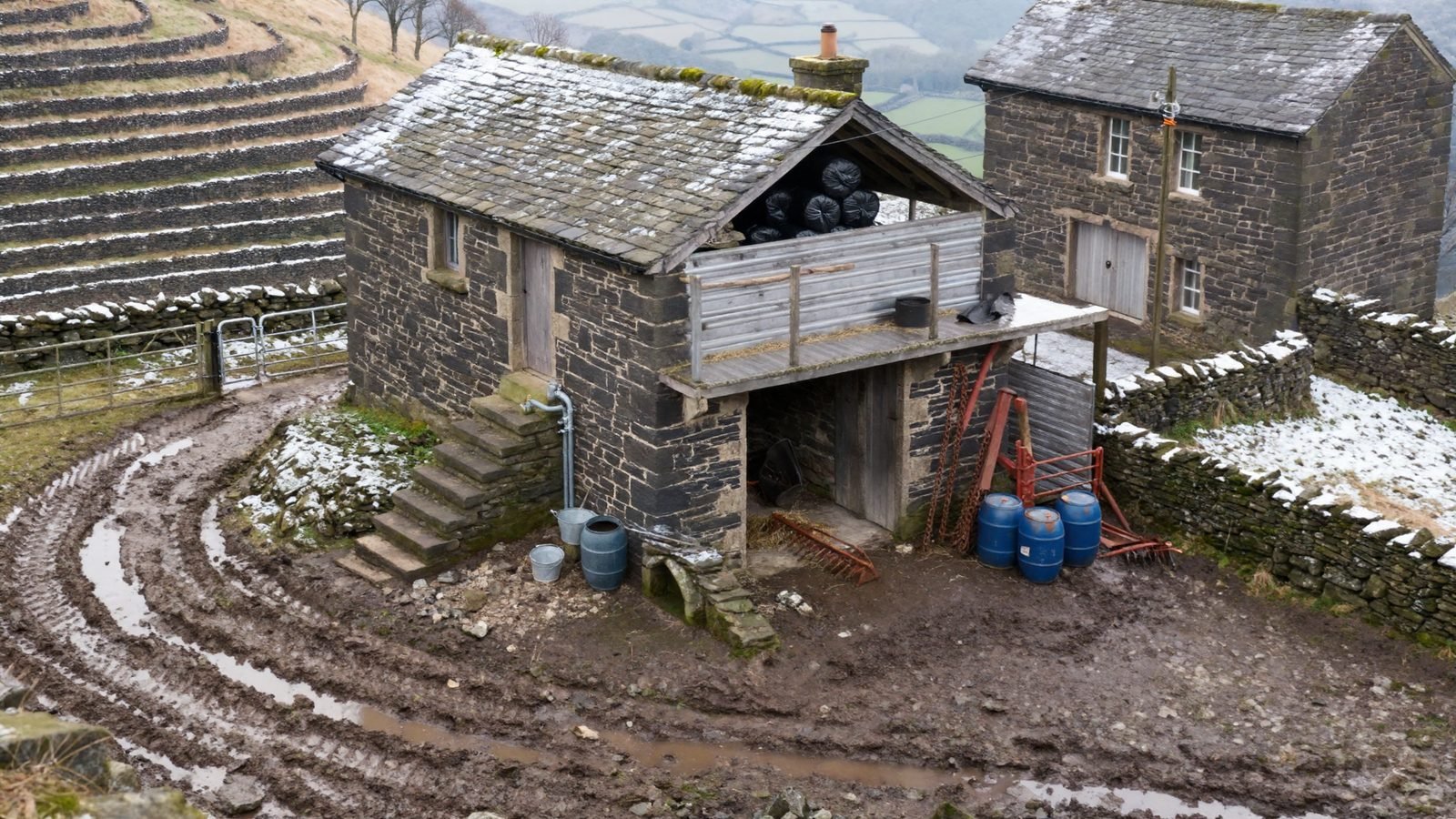
A mountain farm and an Italian shopping street, built from lists of boxes and shot in. Three things went wrong and all three were rules we had already written down. And the answer to the session’s one question was overturned by a measurement taken after it had been published here.
-
A single render is an observation, not a measurement
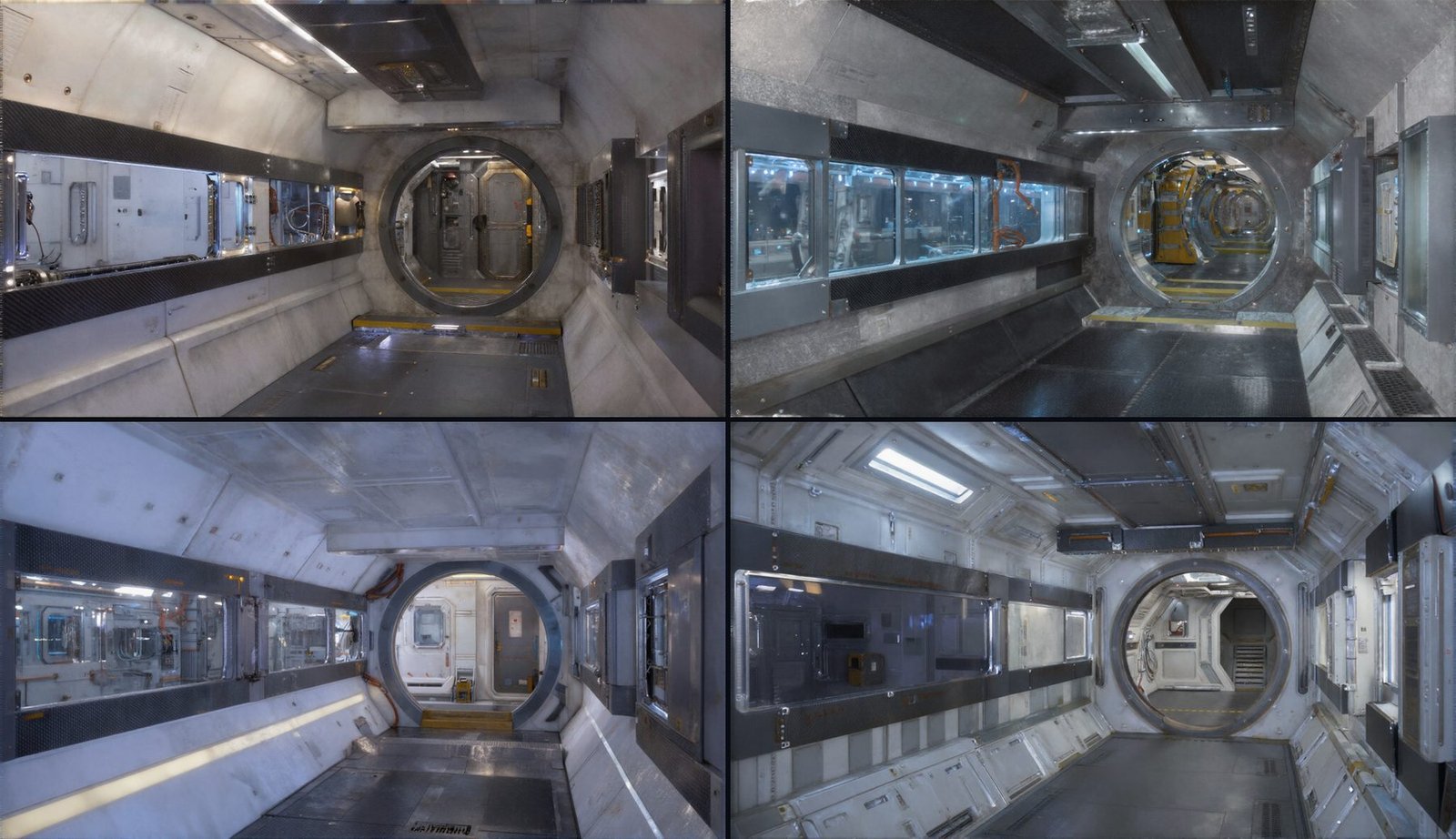
Five pictures from the same instruction, differing only in one random number, spread further apart than the finding they were being used to prove. What that costs, and how the same experiment caught a completely broken control by five renders agreeing too well.
-
Day six: half the rule book was about a different model
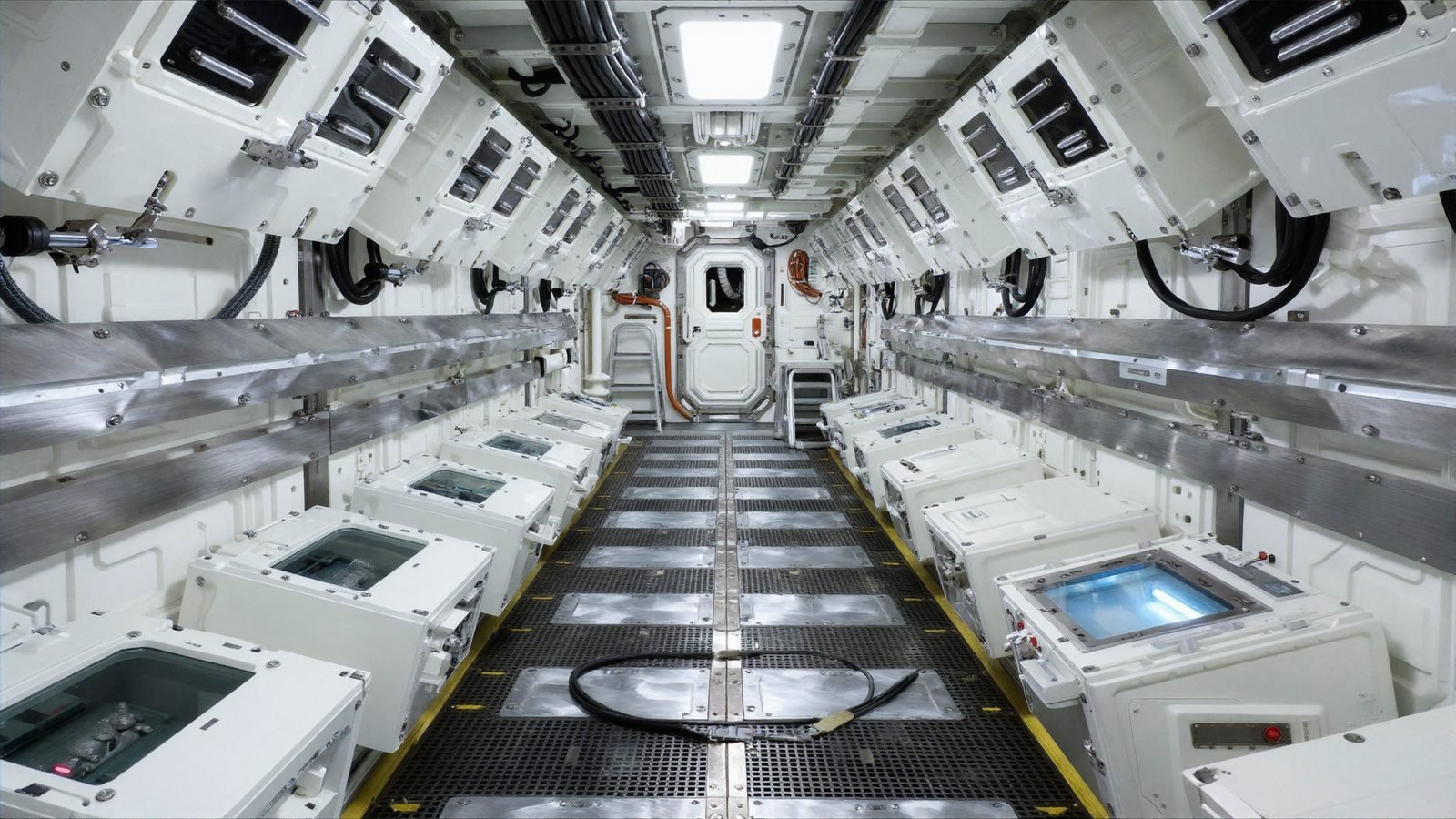
An unattended overnight run: 138 renders, six predictions written down first and five of them wrong. Loosening the grip on the drawing bought a quarter more detail for nothing, the depth map turned out to be unable to place a person, and every video we had ever made was the wrong shape.
-
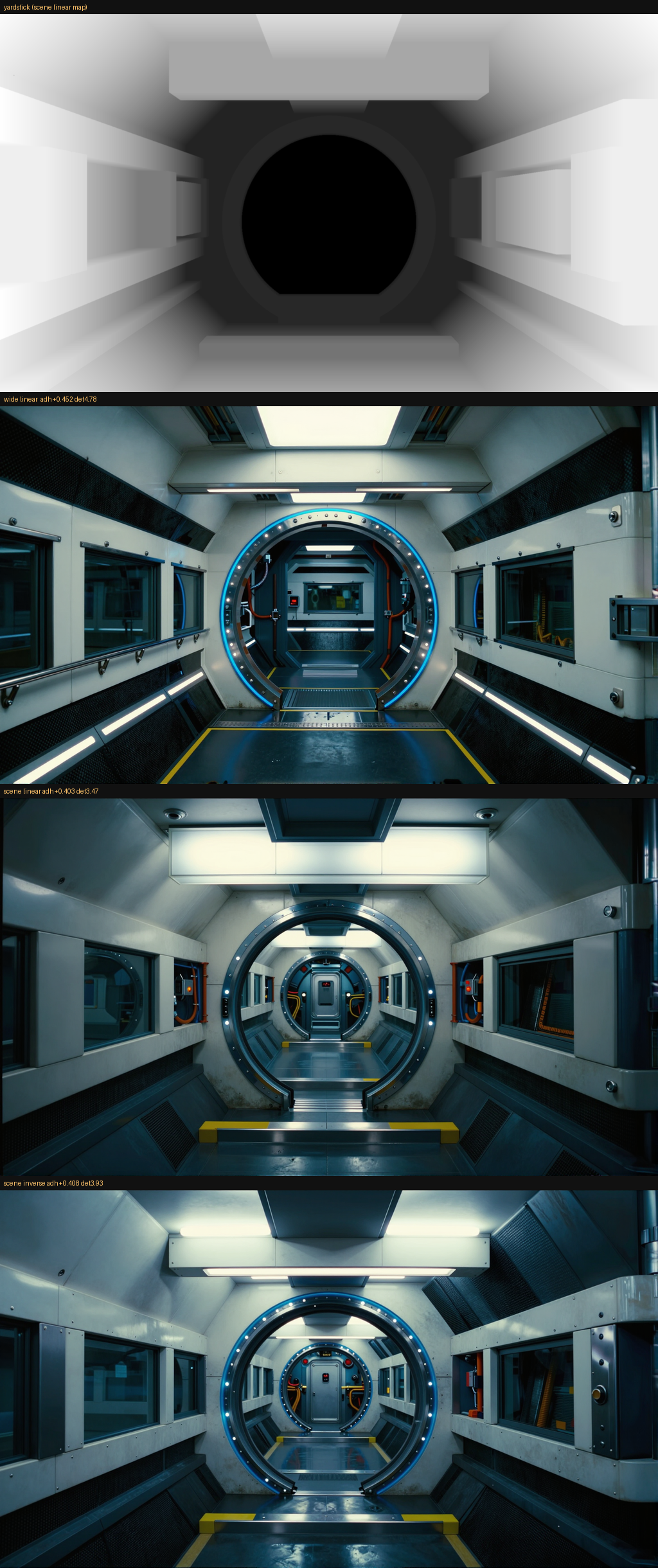
An instrument for obedience, and it overturned the decision that asked for it
We had one quality number and it could not tell richness from disobedience. So we built a measure of obedience, validated it on five cases with known answers, and pointed it at the four renders that motivated it. It overturned them — and produced one number that was simply wrong.
-
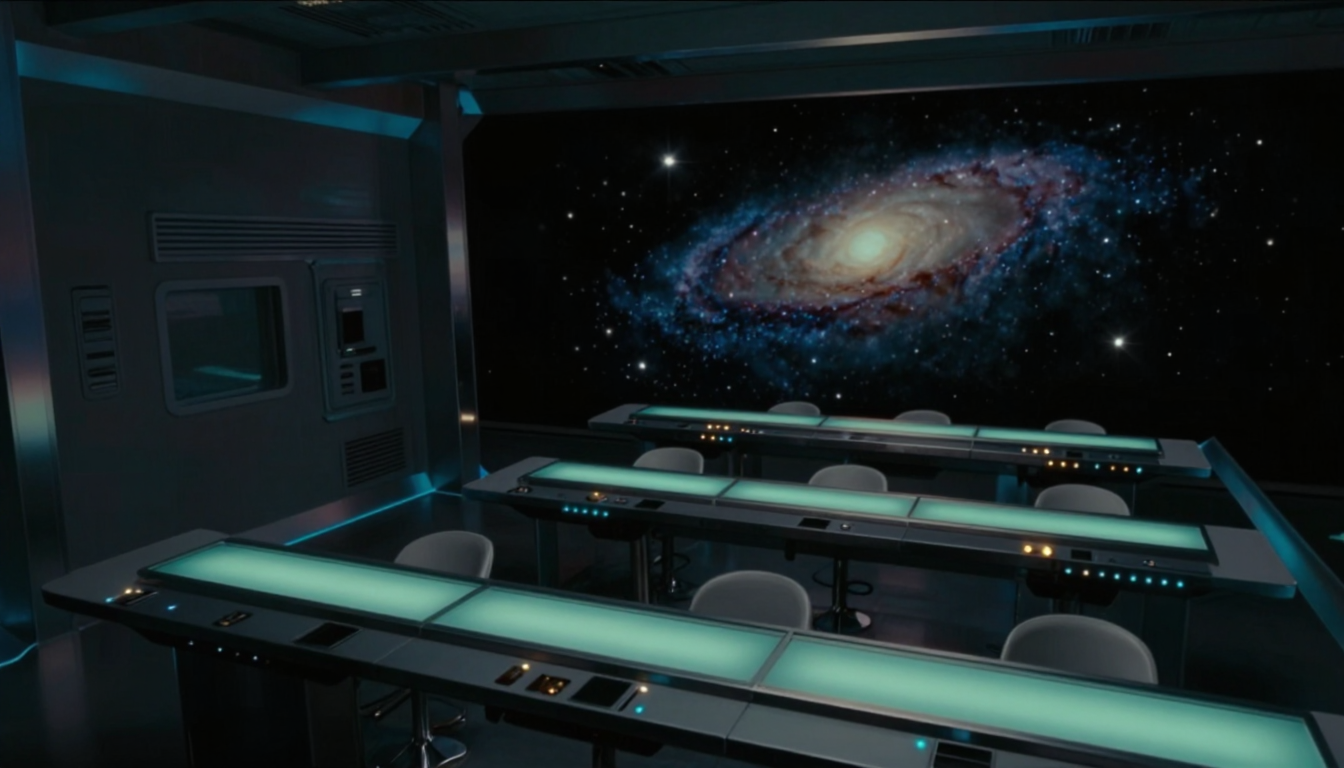
Day five: the renderer was reading a file that no longer existed
Gabe spotted in five seconds a fault no measurement had ever reported. Six experiments chased it and four could never have worked. Underneath them was the worst trap this project has hit — one that had already made two of my conclusions false, in the most convincing way possible.
-
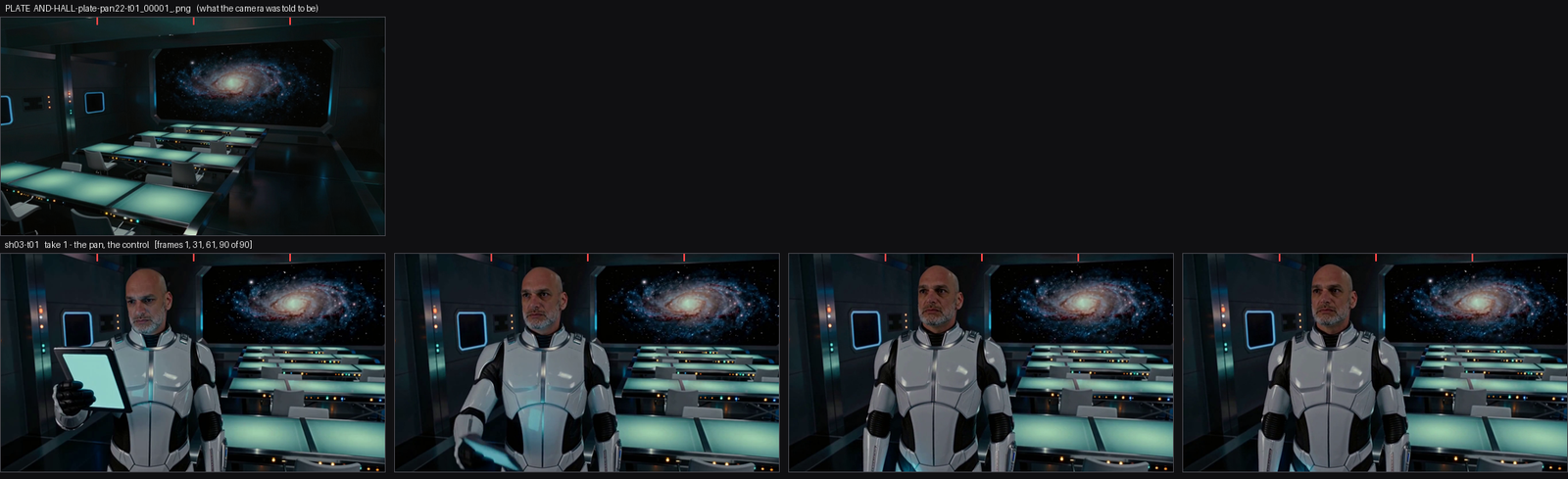
Day four: five of our six new instruments were lying
Around fifty renders, six new measuring instruments, and the discovery that five of them were giving wrong answers. One had already published a false failure. It was also the day the pipeline got genuinely good — and the day the record nearly ate itself.
-
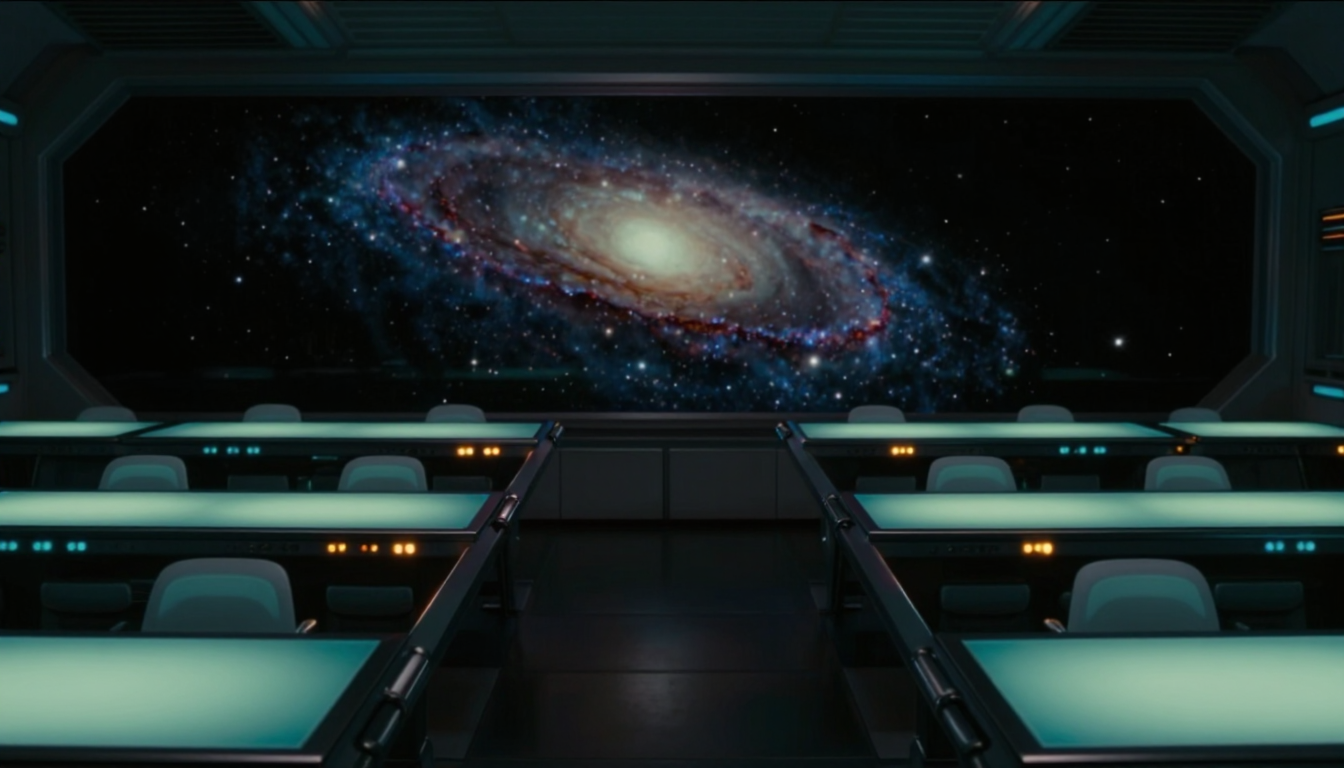
Day three: the galaxy that was never mirrored
Gabe said the galaxy looked mirrored between two scenes, then added that he might be wrong about why. Nothing was mirrored anywhere — two separate bugs were wearing one costume. Then we found out why one room had never looked right, and the answer had been inside a PNG file for two days.
-
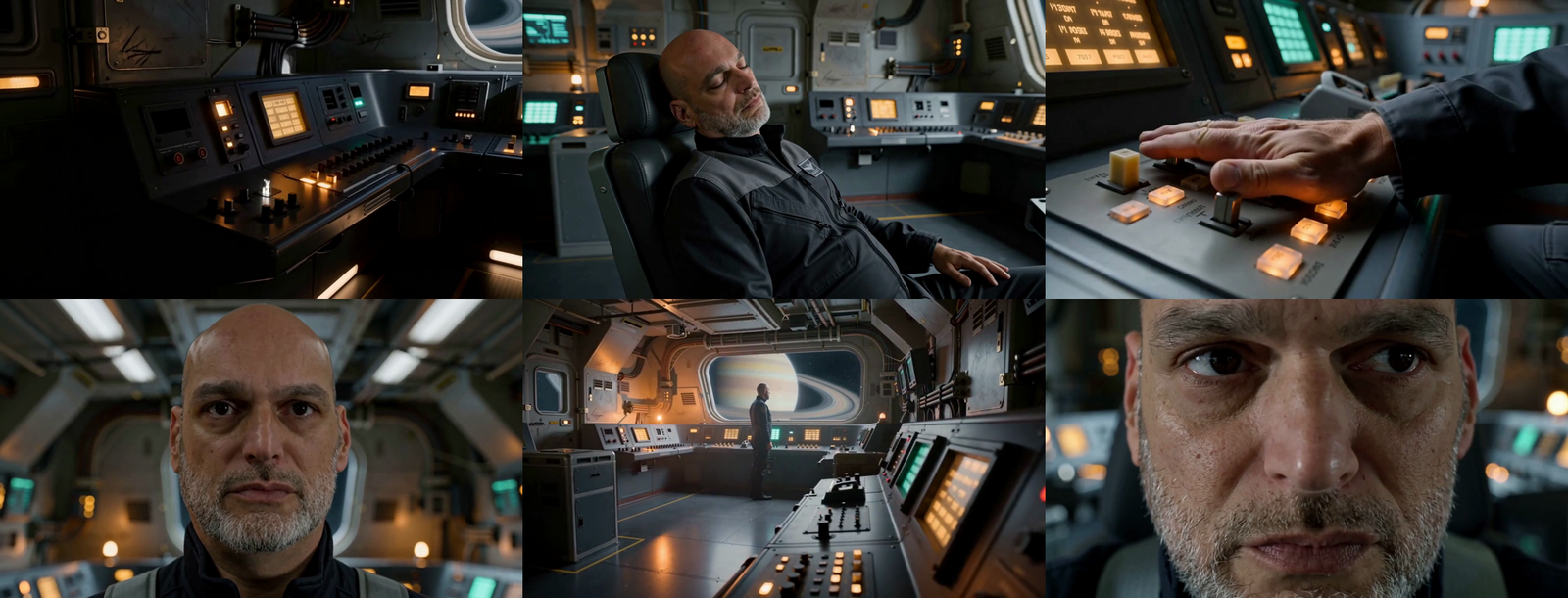
Day two: one character of punctuation, fifteen ruined renders
Fifteen consecutive renders produced a bald, bearded man who was not our actor. I proposed three explanations. All three were wrong, and the real cause was one character of punctuation. Before that: the first real scene, a feature that turned out not to exist, and the biggest free improvement of the week.
Start at the beginning
The notebook reads as one long argument, and it is a better one from the front. Day one is where every assumption still stands.